909-276-7214

Joysticks

🕹️

The history of joystick controllers is quite fascinating and has seen several milestones in the world of gaming and technology.

Here's an overview of their development over the years:

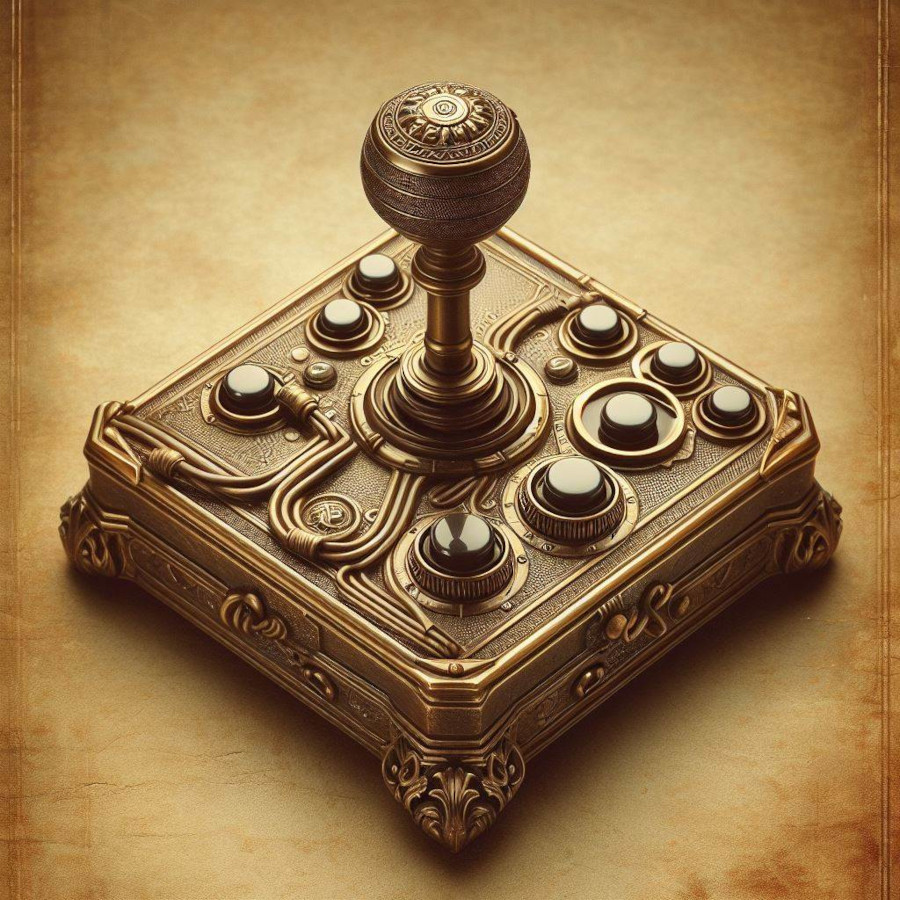
vintage joystickAviation Origins (Early 20th Century):
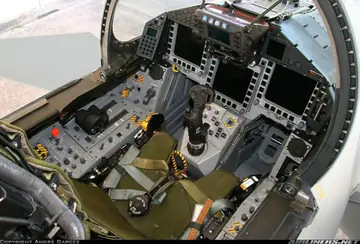
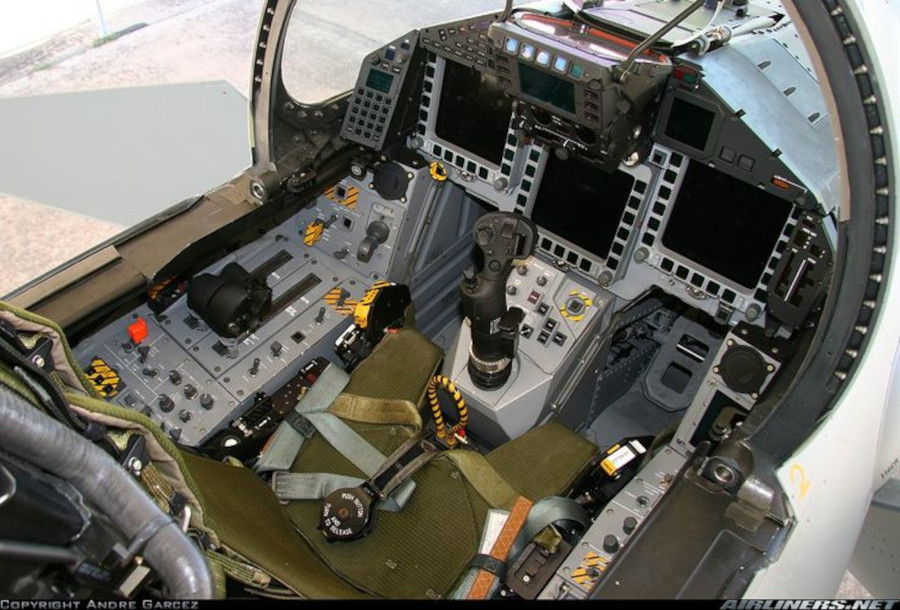
The concept of a joystick dates back to aviation control systems. The first known use of a joystick-like control was in early aircraft, where a simple stick was used to control the plane*s movements. This basic design laid the foundation for the future development of joysticks.
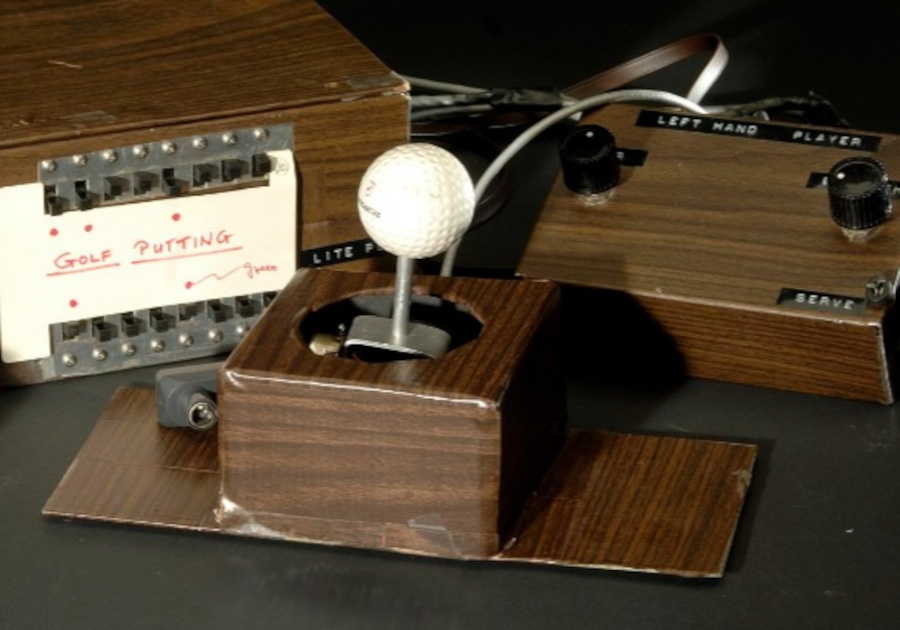
the brown boxEarly Video Games (1960s-1970s):
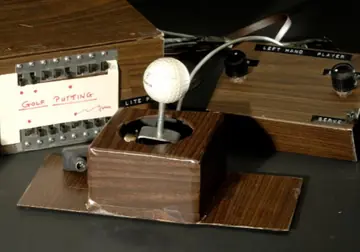
The first electronic joystick was created by Ralph H. Baer, often referred to as the "Father of Video Games," for his Brown Box console. The Brown Box was a prototype that eventually evolved into the Magnavox Odyssey,the first home video game console. The controller featured a simple joystick that players could use to control games like Pong and other early titles.
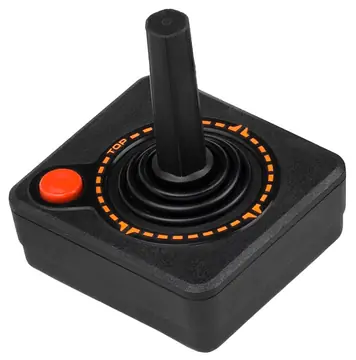
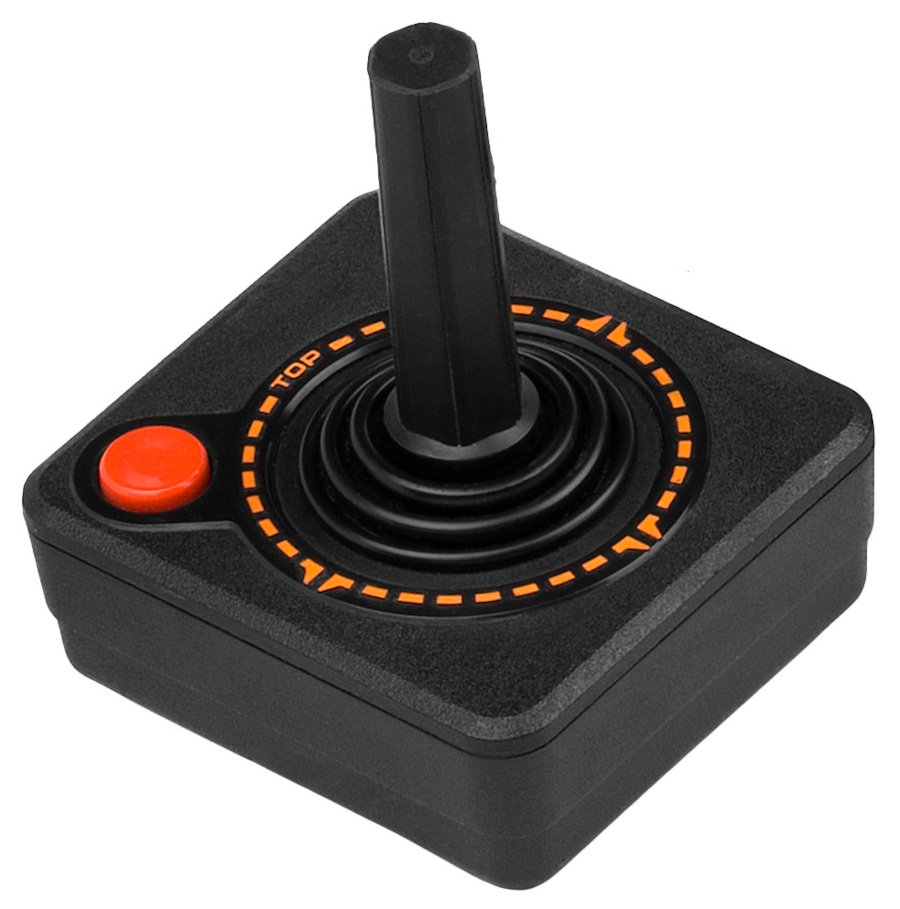
Atari JoystickAtari Joystick (Late 1970s): The Atari 2600, released in 1977, popularized joystick controllers in the home gaming market. The Atari joystick had a single stick and a single button, and it became an iconic design that many players associate with early gaming.

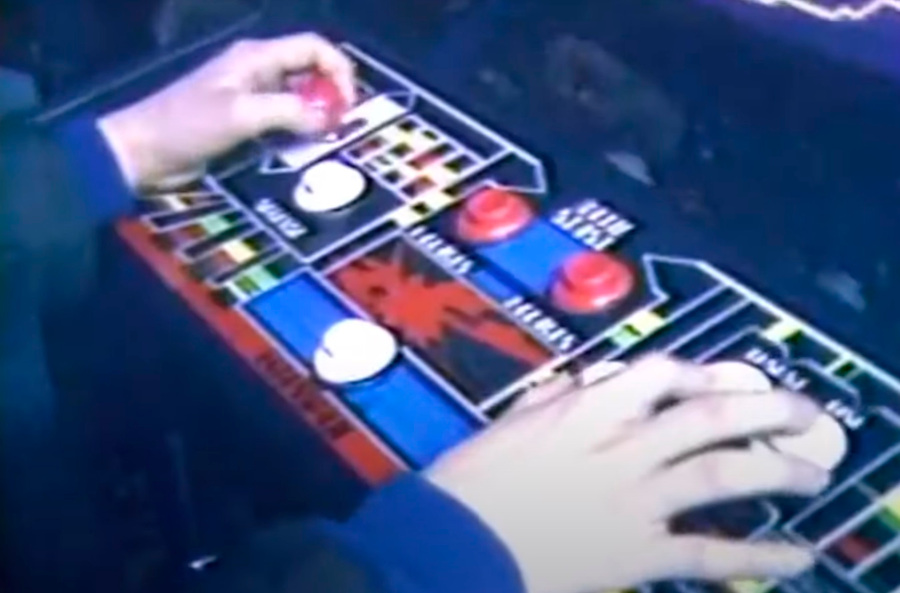
Arcade Games (1980s):
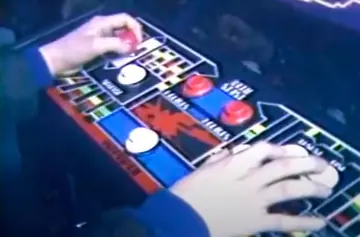
The 1980s saw a boom in arcade gaming, and joysticks became a staple in arcades around the world. Games like Pac-Man, Space Invaders, and Street Fighter used joystick controls to provide an immersive gaming experience. Arcades
Flight Simulators and PCs (1980s-1990s):
Joysticks gained popularity in the realm of flight simulation and personal computers during this period. Flight simulator games required more precise control, leading to the development of more advanced joysticks with additional buttons and axes. Brands like CH Products and Logitech (formerly Saitek) began producing specialized flight sticks. Flight Sim

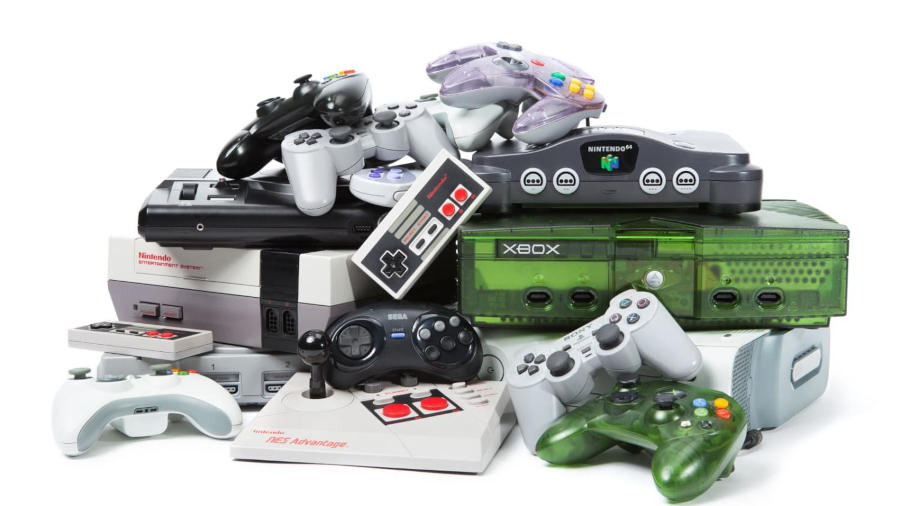
Console Evolution (1990s-2000s): The design and capabilities of joysticks continued to evolve. Consoles Consoles like the Sega Genesis , Super Nintendo Entertainment System (SNES), and Sony PlayStation featured controllers with joysticks alongside directional pads and buttons, expanding the range of gameplay possibilities.
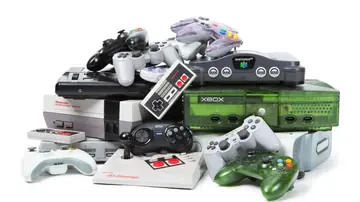
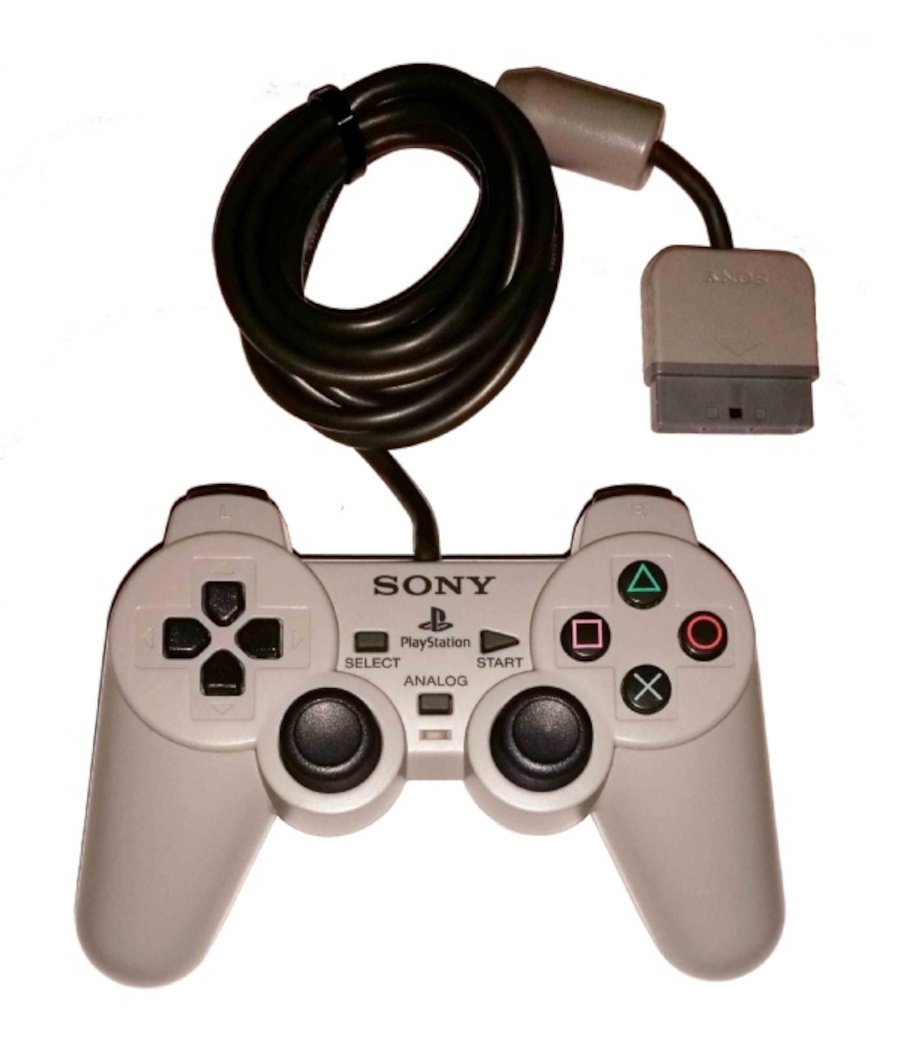
Analog Sticks and 3D Control (Late 1990s-2000s):Analog Sticks and 3D controlsThe introduction of analog sticks marked a significant advancement in joystick technology. The Sony PlayStation DualShock controller, released in 1997, featured two analog sticks, which allowed for more precise 3D movement in games. Other consoles followed suit, integrating analog sticks into their controllers.

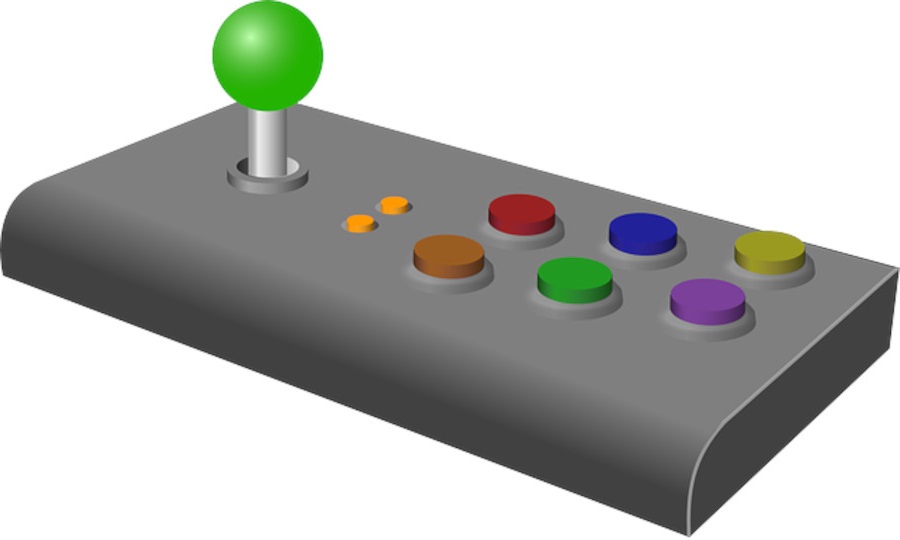
Modern Gaming (2010s-Present): With the rise of gaming on various platforms, including PCs, consoles, and mobile devices, joysticks have continued to evolve.Joysticks Controllers today feature multiple analog sticks, touch-sensitive pads, motion sensors, and various additional buttons for enhanced gameplay experiences. Joysticks are also used in specialized gaming peripherals like flight sticks, racing wheels, and arcade-style controllers.

Virtual Reality (VR) and Motion Controllers:
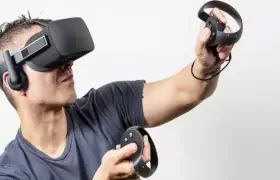
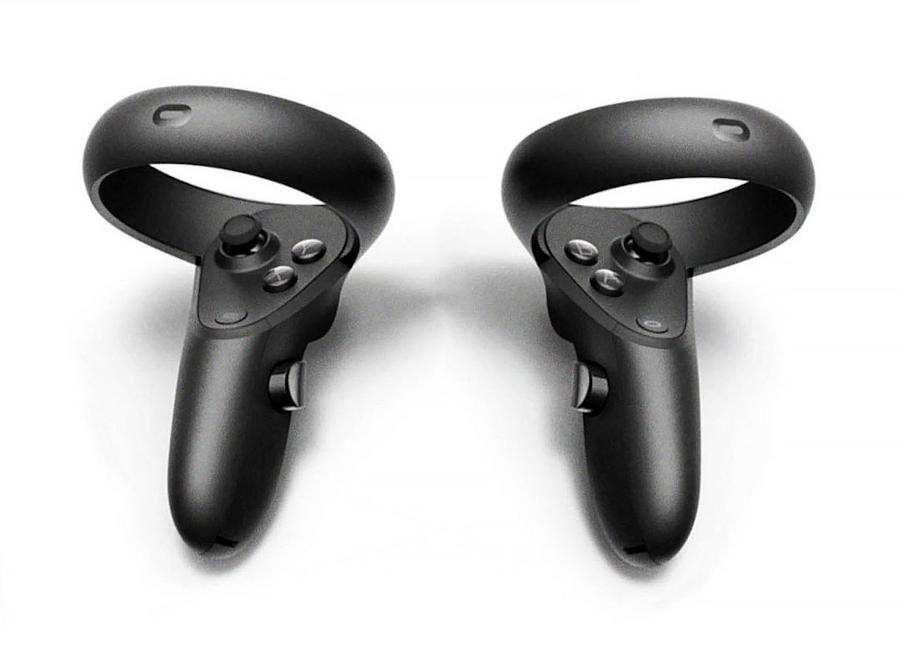
VR ControllerIn recent years, advancements in VR technology have introduced new types of controllers that incorporate motion tracking and haptic feedback. These controllers allow users to interact with virtual environments using gestures and movements, enhancing immersion in VR experiences.
Overall, the history of joystick controllers reflects the evolution of gaming technology and its integration into various aspects of our lives, from early aviation to the modern gaming landscape.

Several joysticks have left a significant impact on the gaming and technology industries. Here are some of the most important and influential joysticks in history:

Atari 2600 Joystick:Atari 2600 JoystickThe Atari joystick, introduced with the Atari 2600 in 1977, played a pivotal role in popularizing joysticks as the primary input method for home console gaming. Its simple design and iconic single-button layout set the standard for many early gaming controllers.

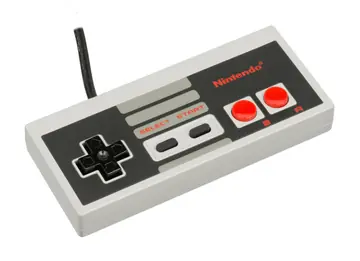
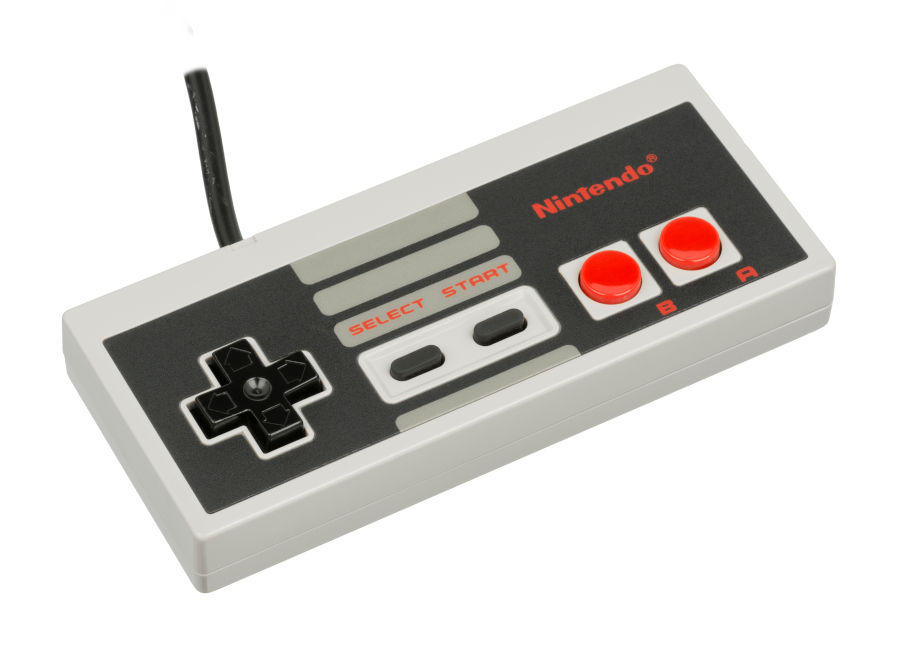
Nintendo Entertainment System (NES) Controller:NES ControllerWhile not a traditional joystick, the NES controller, introduced in 1985, combined a directional pad with two action buttons, setting the template for future console controllers. Its influence can still be seen in modern gamepads.

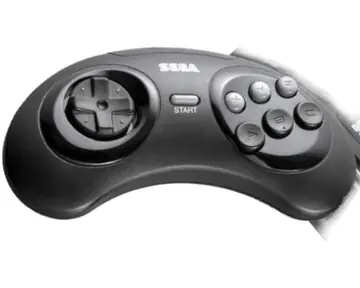
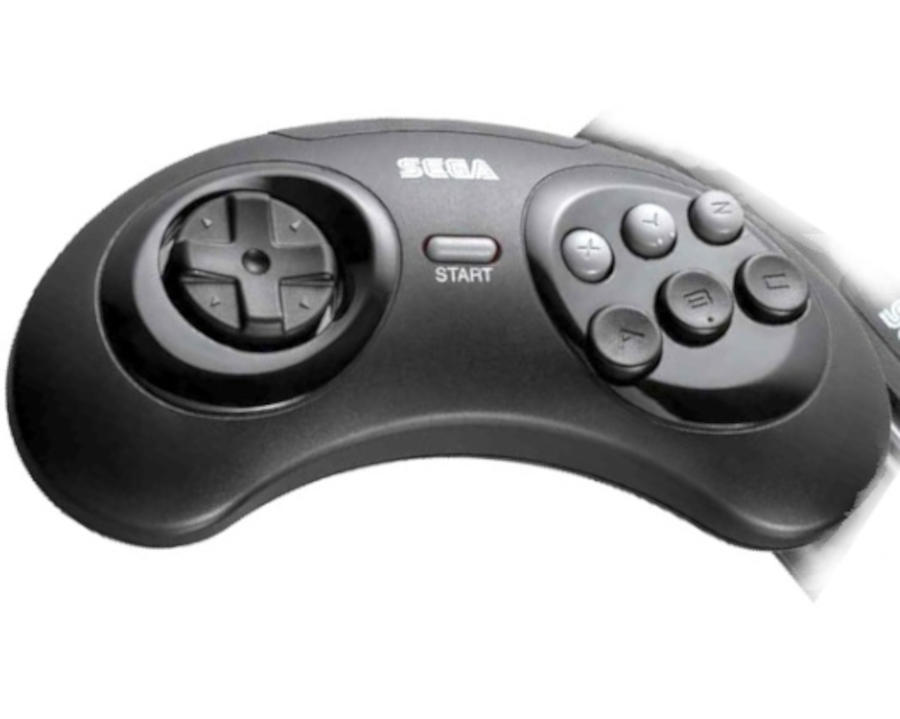
Sega Genesis 6-Button Controller:Sega ControllerSega's addition of three extra buttons to its Genesis controller in 1993 was innovative at the time. This controller layout became essential for fighting games like "Street Fighter II" and "Mortal Kombat."

Sony PlayStation DualShock Controller:Sony DualShockThe DualShock controller, launched with the original PlayStation in 1997, introduced two analog sticks and set the standard for modern console controllers. It combined precise movement control with traditional buttons and became the blueprint for generations of controllers to come.

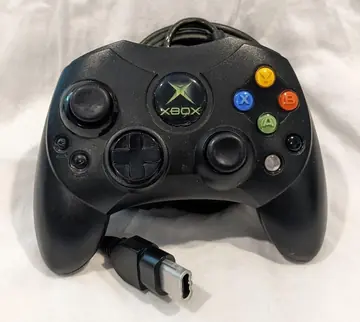
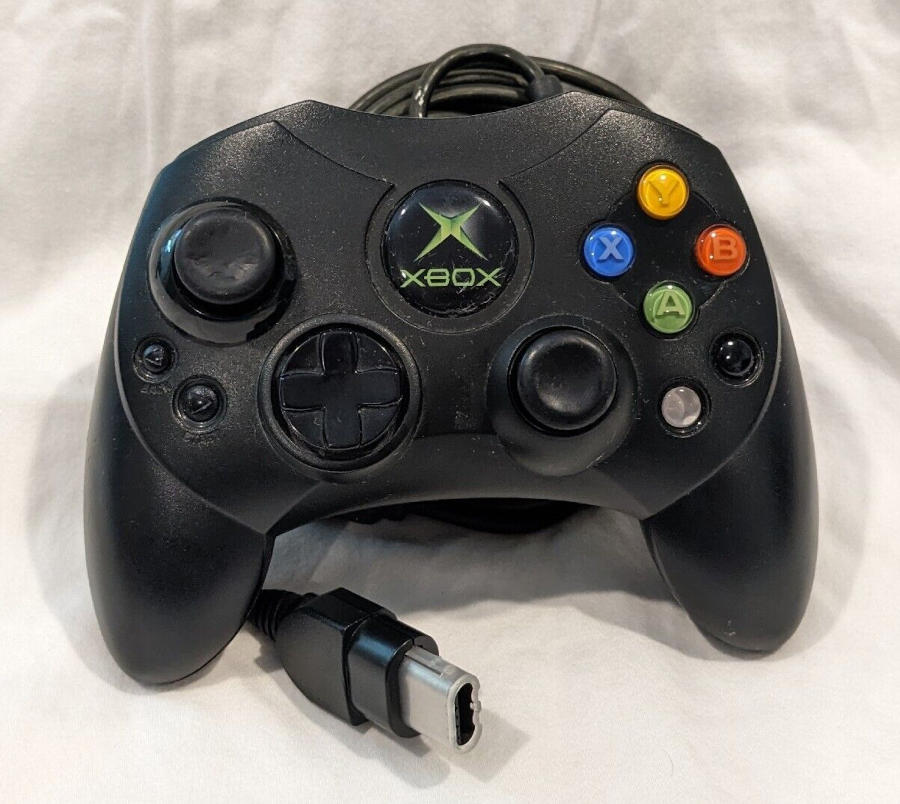
Microsoft Xbox 360 Controller:Xbox ControllerThe Xbox 360 controller, released in 2005, further refined the design introduced by the original Xbox controller. Its ergonomic shape, responsive buttons, and comfortable triggers made it a favorite among gamers on the Xbox platform and PC.

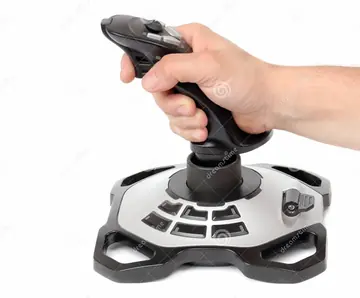
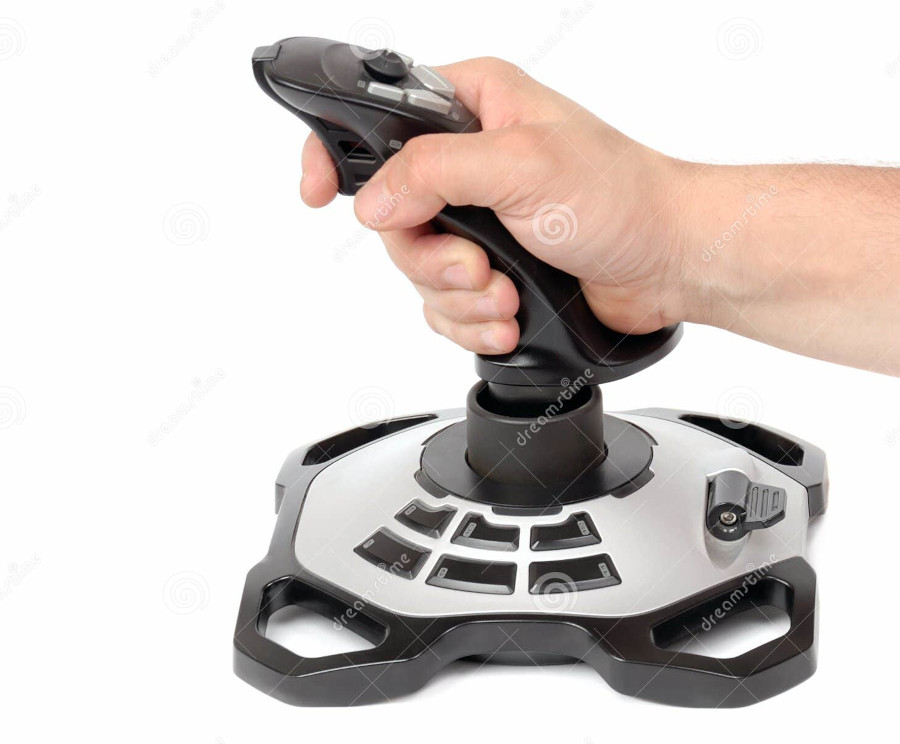
Logitech Extreme 3D Pro Joystick:Logitech Extreme 3D ProThis joystick, released in the late 1990s, became a popular choice for flight simulation enthusiasts. Its precise controls, multiple buttons, and throttle lever made it a staple for virtual pilots.

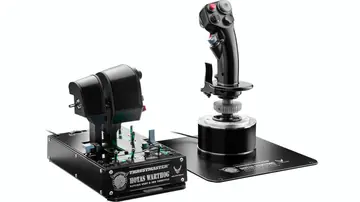
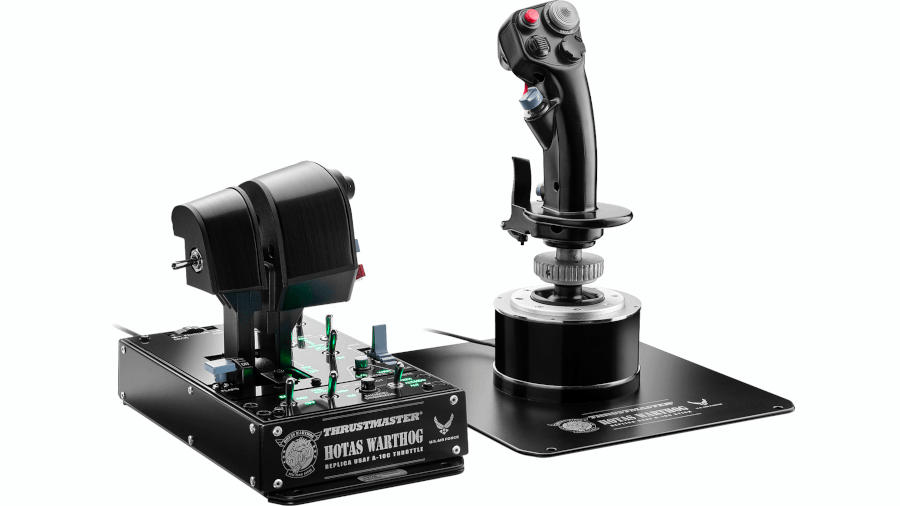
HOTAS Systems (Hands On Throttle and Stick):HOTASHigh-end flight simulation enthusiasts often rely on HOTAS systems, which include a separate throttle lever and joystick. Brands like Thrustmaster and Saitek (now part of Logitech) have developed intricate and highly customizable setups for realistic flight experiences.
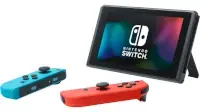
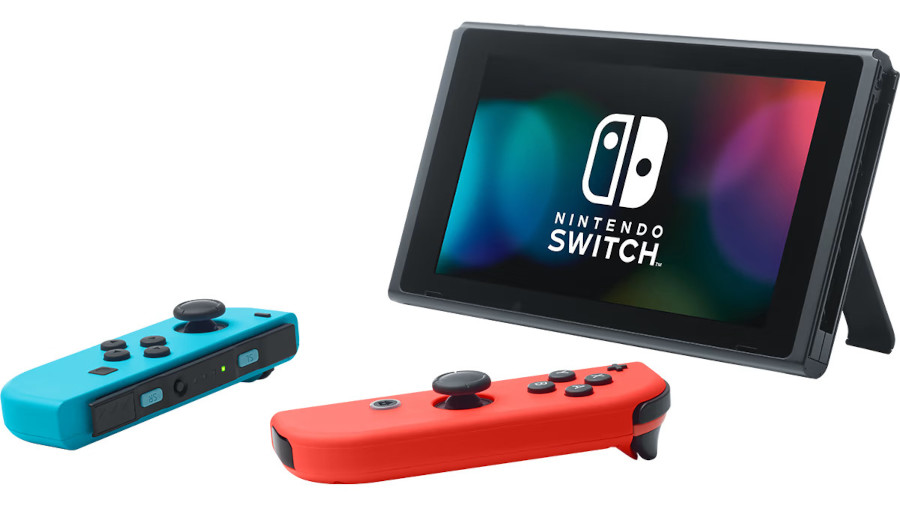
Nintendo Switch Joy-Cons:Nintendo Switch Joy-ConsNintendo's innovative Joy-Con controllers, introduced with the Nintendo Switch in 2017, can be used independently or attached to the console for portable play. They incorporate motion controls, haptic feedback, and an array of buttons, showcasing Nintendo's commitment to creative and versatile gaming experiences.
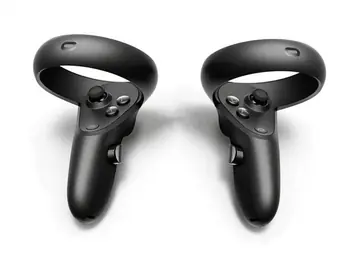
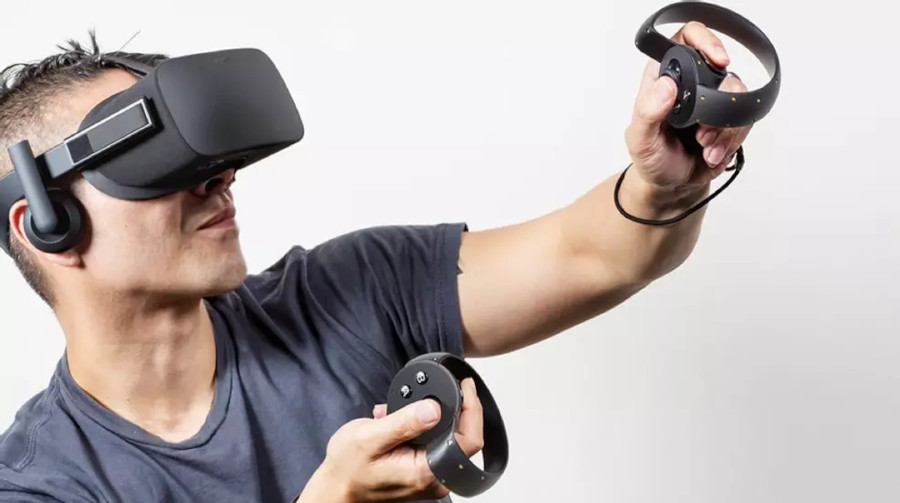
Oculus Touch Controllers:Oculus Touch ControllersThese controllers, designed for the Oculus Rift and Oculus Quest virtual reality systems, revolutionized VR interactions. They include motion tracking, finger presence sensing, and ergonomic designs, allowing users to engage with virtual worlds in more natural and immersive ways.

Thrustmaster Warthog Joystick:Thrustmaster Warthog JoystickThis high-end joystick is a favorite among flight simulation enthusiasts and is known for its exceptional build quality and attention to detail. It's a replica of the control stick found in the A-10C Thunderbolt II aircraft.

These joysticks have each played a role in shaping the way we interact with games and virtual environments, and they continue to influence the design of future input devices.

When considering the purchase of a joystick, there are several important factors to take into consideration to ensure you choose the right one for your needs and preferences. Here's a list of key factors to keep in mind:

Intended Use:

- Determine what type of games or simulations you plan to use the joystick for. Flight simulators, space games, racing games, and combat simulations may have different control requirements.

Quality and Build:

- Look for a joystick with a durable build quality. Check reviews and user feedback to assess the overall build and longevity of the product.

Precision and Sensitivity:

- Precision is crucial, especially for flight simulations. Consider the joystick's accuracy and sensitivity, as well as any dead zones in the stick's movement.

Number of Axes and Buttons:

- Depending on your preferences and the type of games you play, you might need additional axes (such as a throttle lever) and buttons. Some joysticks come with programmable buttons for customization.

Compatibility:

- Ensure that the joystick is compatible with your gaming platform (PC, console, VR system, etc.). Some joysticks are designed specifically for certain platforms.

Software and Customization:

- Check if the joystick comes with software that allows you to customize button mappings, sensitivity settings, and other parameters. Customization can greatly enhance your gaming experience.

Ergonomics and Comfort:

- Consider the ergonomic design of the joystick. A comfortable grip and wrist support can be important, especially during extended gaming sessions.

Haptic Feedback and Immersion:

- Some high-end joysticks offer haptic feedback and force feedback features, enhancing immersion by simulating the feel of in-game actions.

Price Range:

- Joysticks come in a wide range of price points. Set a budget and explore options within that range, considering the features that matter most to you.

User Reviews and Recommendations:

- Research user reviews, forum discussions, and recommendations from fellow gamers who have experience with the joystick you're interested in. Real-world experiences can provide valuable insights.

Brand Reputation:

- Established brands often have a track record of producing reliable and high-quality gaming peripherals. Research the reputation of the brand before making a decision.

Support and Warranty:

- Check the manufacturer's warranty and customer support policies. A good warranty can provide peace of mind in case of defects or issues.

Future Compatibility:

- Consider whether the joystick will remain compatible with future games and hardware updates. This can be especially important for long-term investments.

Size and Space:

- Consider the size of the joystick and whether it will fit comfortably in your gaming setup. Some joysticks might be more suitable for compact setups.

Upgradability:

- If you're an enthusiast, consider whether the joystick can be upgraded with additional accessories or modules, allowing you to expand its capabilities.

By taking these factors into consideration, you can make an informed decision and choose a joystick that aligns with your gaming preferences and requirements.

Several popular brands are well-known for producing high-quality joystick controllers and other gaming peripherals. These brands have established themselves as leaders in the industry due to their reputation for innovation, reliability, and user-focused designs. Some of the most popular brands in the joystick controller space include:


Logitech is a well-respected brand that offers a range of gaming peripherals, including joysticks. Their products are known for their build quality and customization options. The Logitech Extreme 3D Pro and the Saitek X52 Pro Flight Control System are examples of their popular joystick offerings.
Thrustmaster specializes in gaming peripherals, particularly those focused on simulation experiences like flight and racing. They are known for their high-quality products with a strong emphasis on realism. The Thrustmaster Warthog HOTAS and the T.16000M FCS Flight Pack are popular options.
Saitek was a company known for its flight simulation products and joysticks. It was acquired by Logitech, and some of its product lines were integrated into Logitech's gaming peripherals. The Saitek X52 Pro and X56 Rhino are well-known joysticks that still hold popularity.
CH Products has a long history in the flight simulation and gaming market. They are known for producing durable and reliable joysticks with a focus on accuracy and precision. The CH Fighterstick and Pro Throttle are examples of their products.
HORI is a brand that produces a wide range of gaming peripherals, including joysticks for various platforms. They offer options for both casual gamers and enthusiasts, often with an emphasis on compatibility with consoles like PlayStation and Xbox.
Mad Catz is known for its gaming peripherals, including joysticks. While the brand has faced ups and downs, it has produced joysticks like the Tournament Edition FightSticks for fighting game enthusiasts.
Virpil Controls is a relatively newer entrant that has gained a strong following among flight simulation enthusiasts. Their products are known for their attention to detail and high-quality construction.
Sony's DualShock, DualSense and PlayStation Move controllers, as well as Microsoft's Xbox controllers, while not traditional joysticks, are popular choices for console gamers and PC gamers alike.
Fanatec is a brand primarily known for its racing simulation peripherals, including racing wheels and pedals. They also offer joysticks and other gaming accessories with a focus on high-quality simulation experiences.
VKB Sim is another brand that caters to flight simulation enthusiasts. They are recognized for producing premium joysticks with high levels of customization and precision.

When considering a joystick purchase, it's a good idea to research products from these popular brands to find the one that best suits your needs and preferences. Keep in mind that the popularity and reputation of these brands often stem from their commitment to quality and the specific needs of gamers.
[Free Research Preview. ChatGPT August 3 Version 2023]