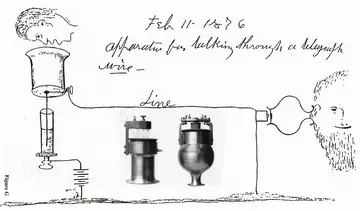
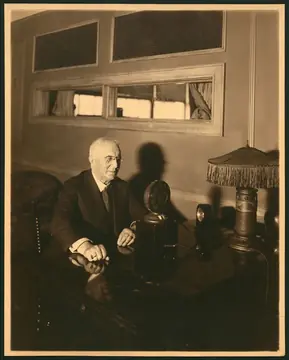
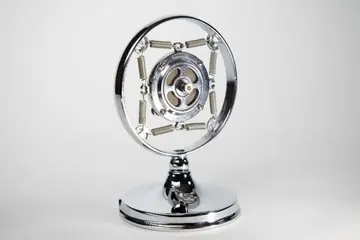
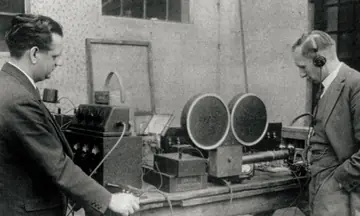
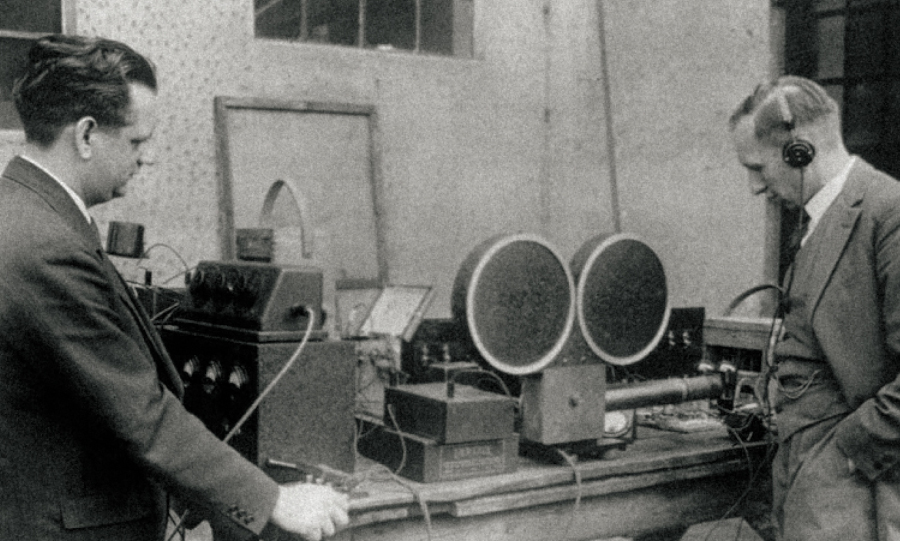
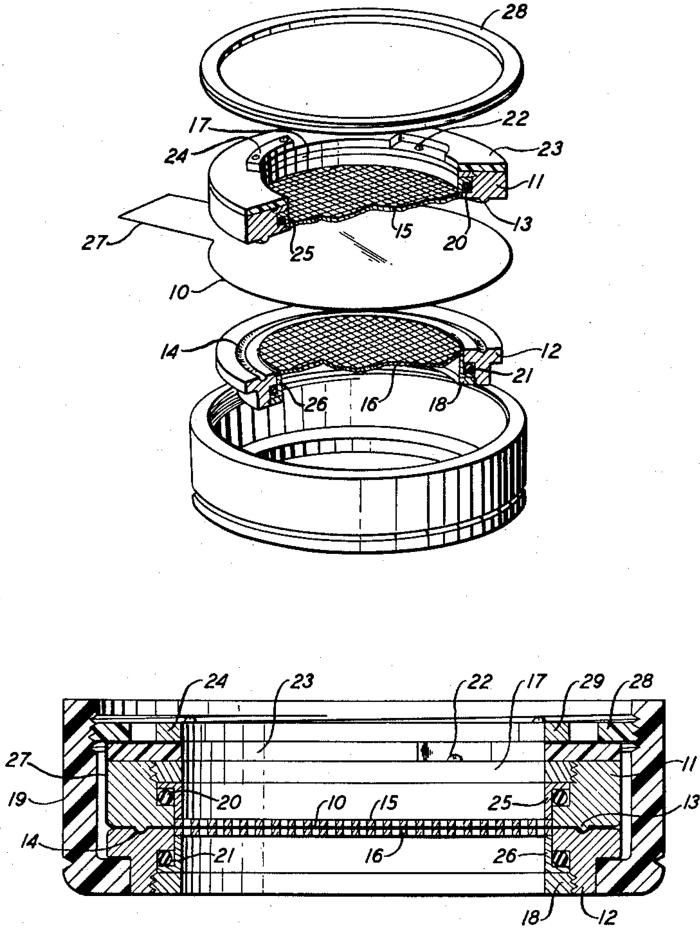
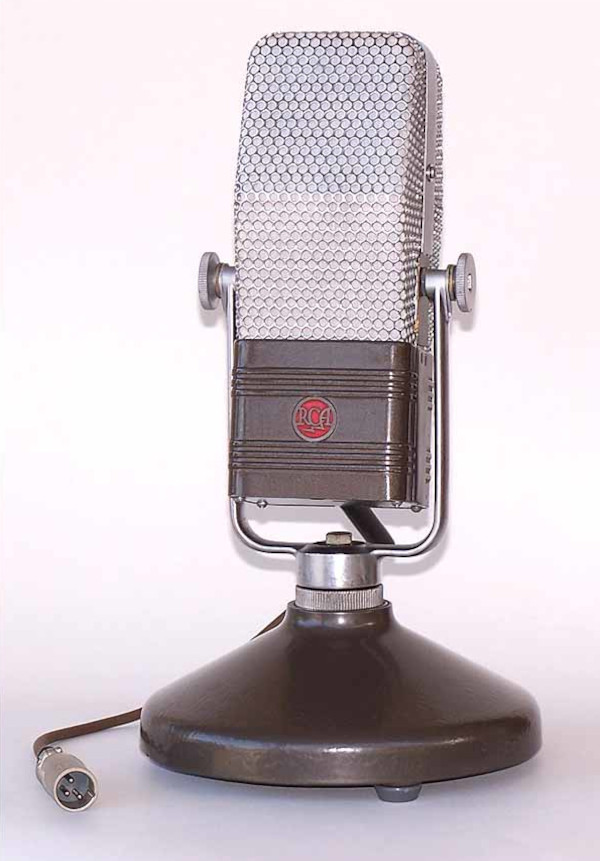
There are several iconic microphones that have left a lasting impact on the world of communication, broadcasting, and entertainment. These microphones have become symbols of innovation, quality, and historical significance.
Here are some of the most famous microphones in history:
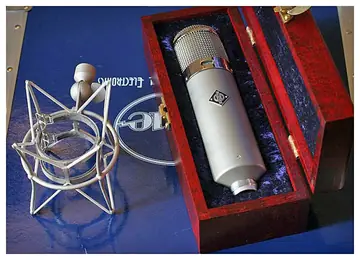
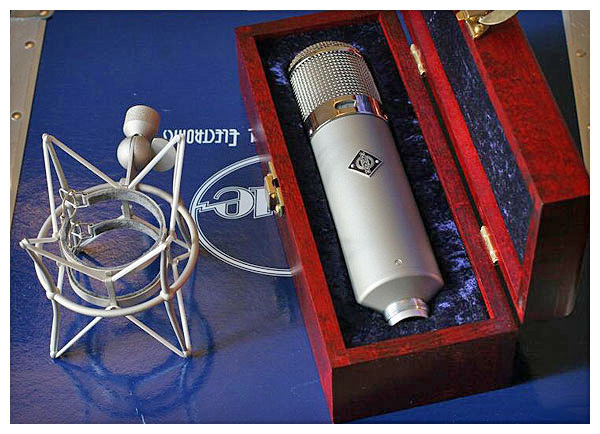
Neumann U47:
- The Neumann U47, introduced in 1947, is one of the most legendary studio microphones. It is a tube-based condenser microphone known for its warm and rich sound quality.
- The U47 was widely used by artists like Frank Sinatra, Elvis Presley, and The Beatles, contributing to its status as a symbol of classic recording.
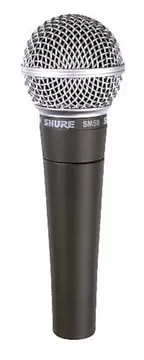
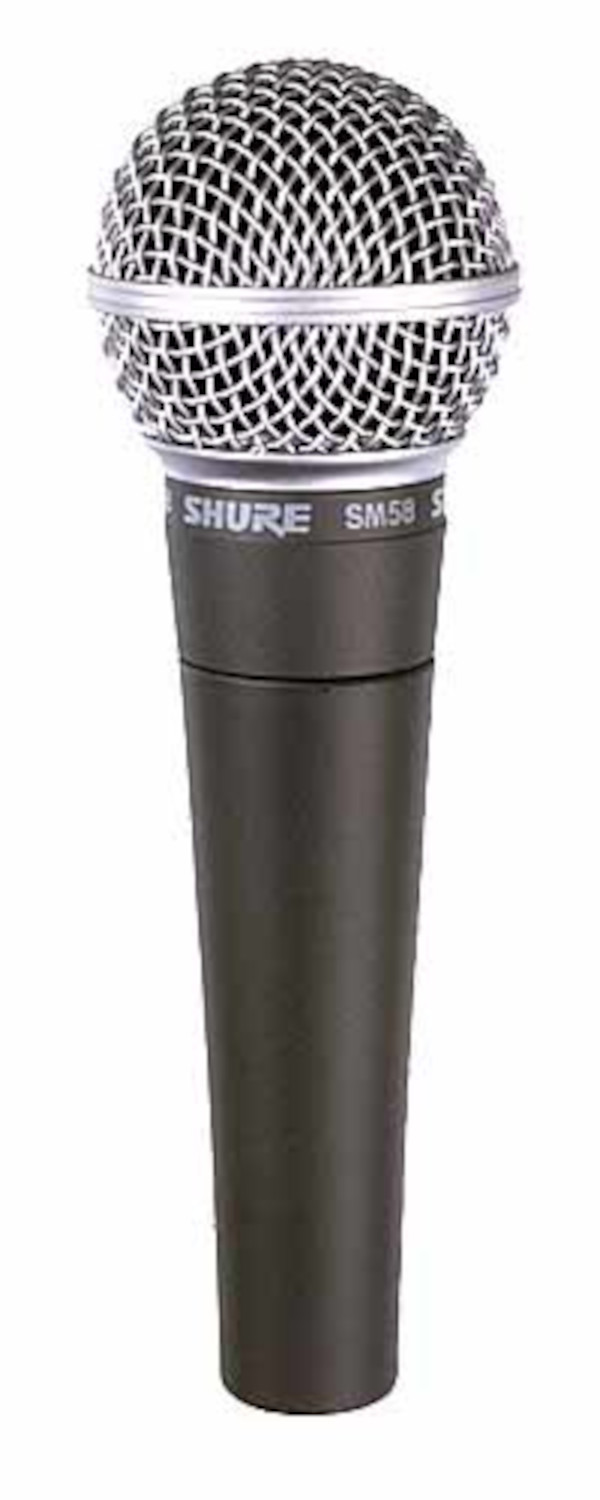
Shure SM58
- The Shure SM58, introduced in 1966, is one of the most popular dynamic microphones in the world. It's known for its durability, reliability, and versatility.
- It's a go-to microphone for live performances, used by musicians across various genres. Its robust construction and consistent sound have made it an industry standard.
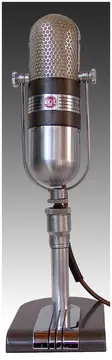
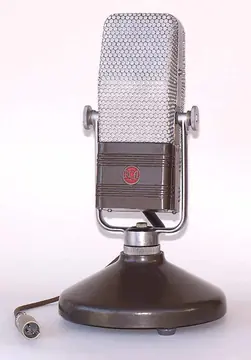
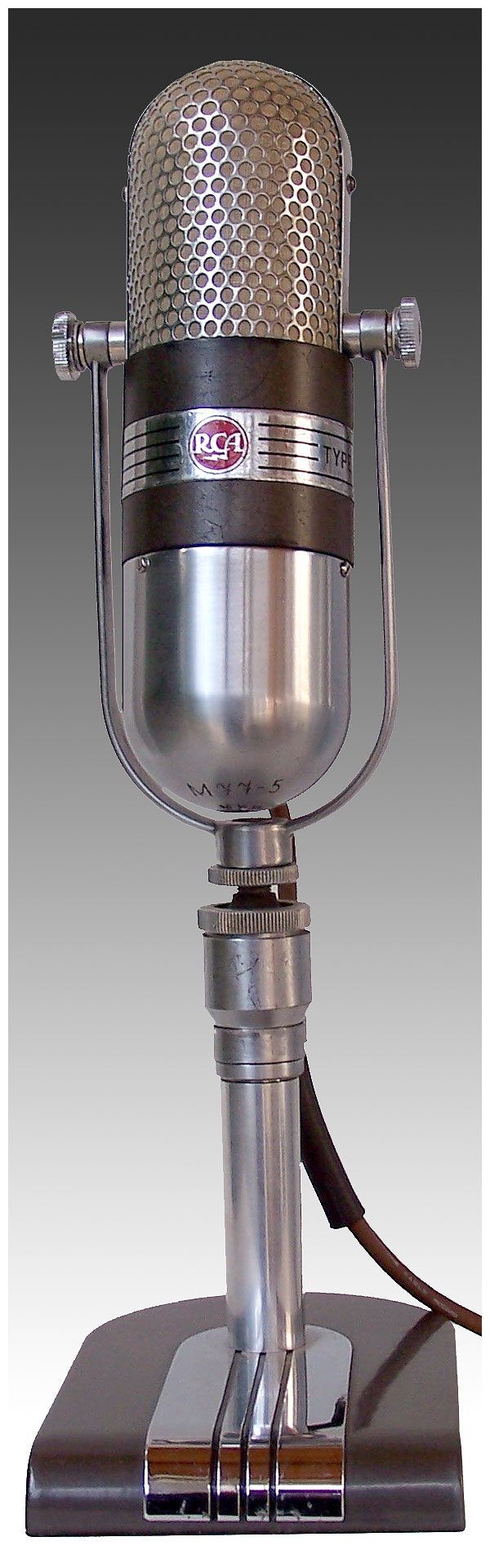
RCA Model 77-DX:
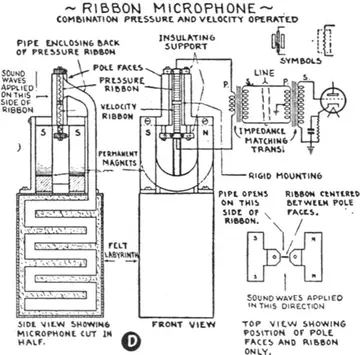
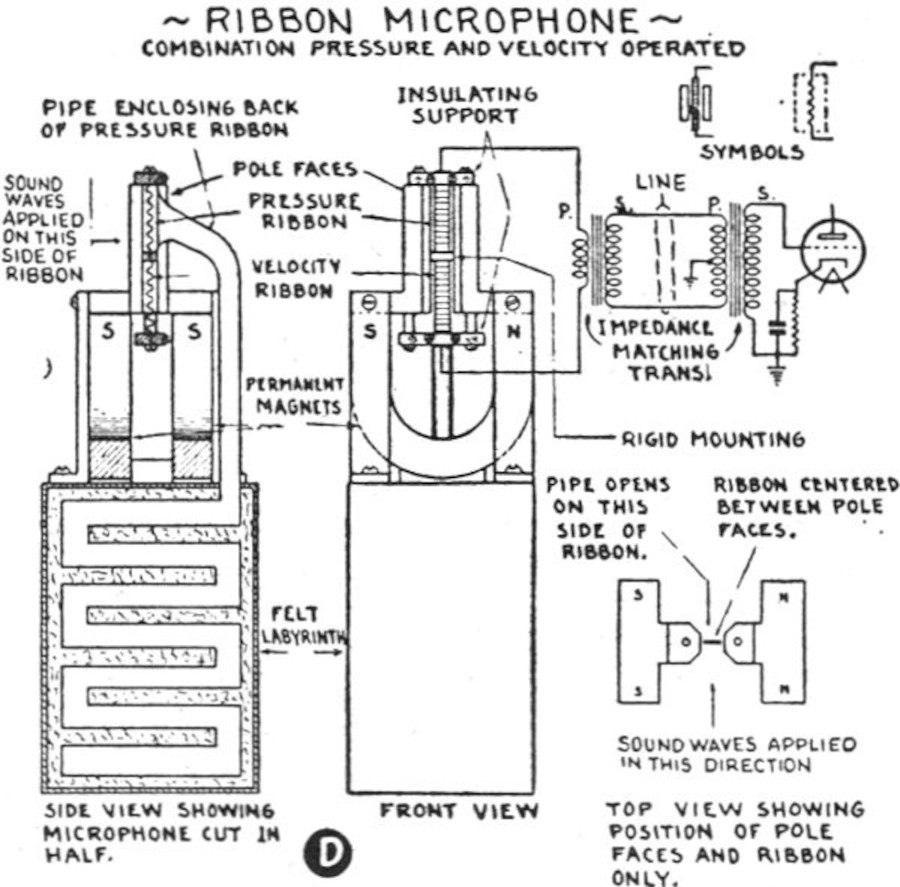
- The RCA Model 77-DX, introduced in the 1930s, is an iconic ribbon microphone. Its distinctive appearance and smooth sound quality made it a staple in broadcasting and recording.
- The microphone's design became synonymous with the radio and early television broadcasting era.
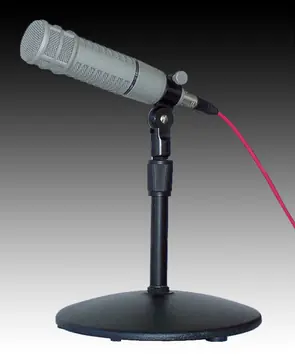
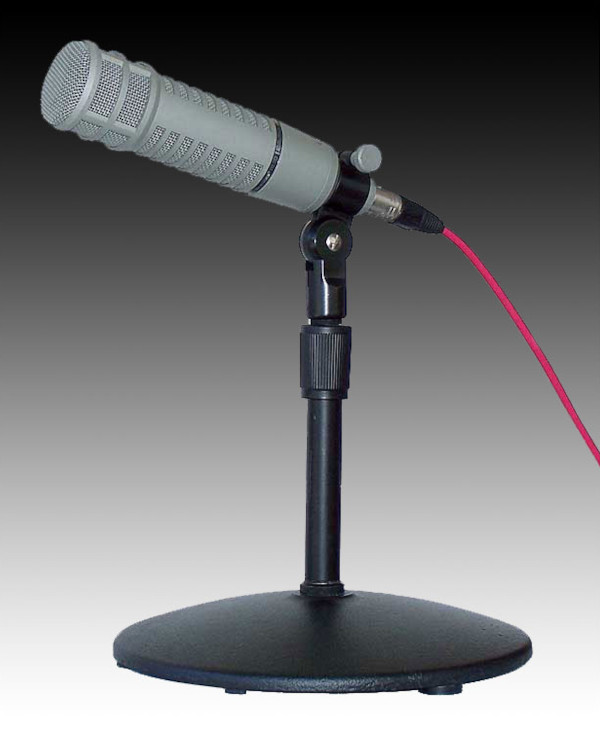
Electro-Voice RE20:
- The Electro-Voice RE20, introduced in the 1960s, is a dynamic microphone that gained popularity for its versatile use in broadcasting, voice-over, and music recording.
- Its unique Variable-D technology helped reduce proximity effect, making it a favorite for capturing clear and natural-sounding vocals.
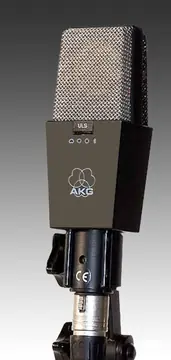
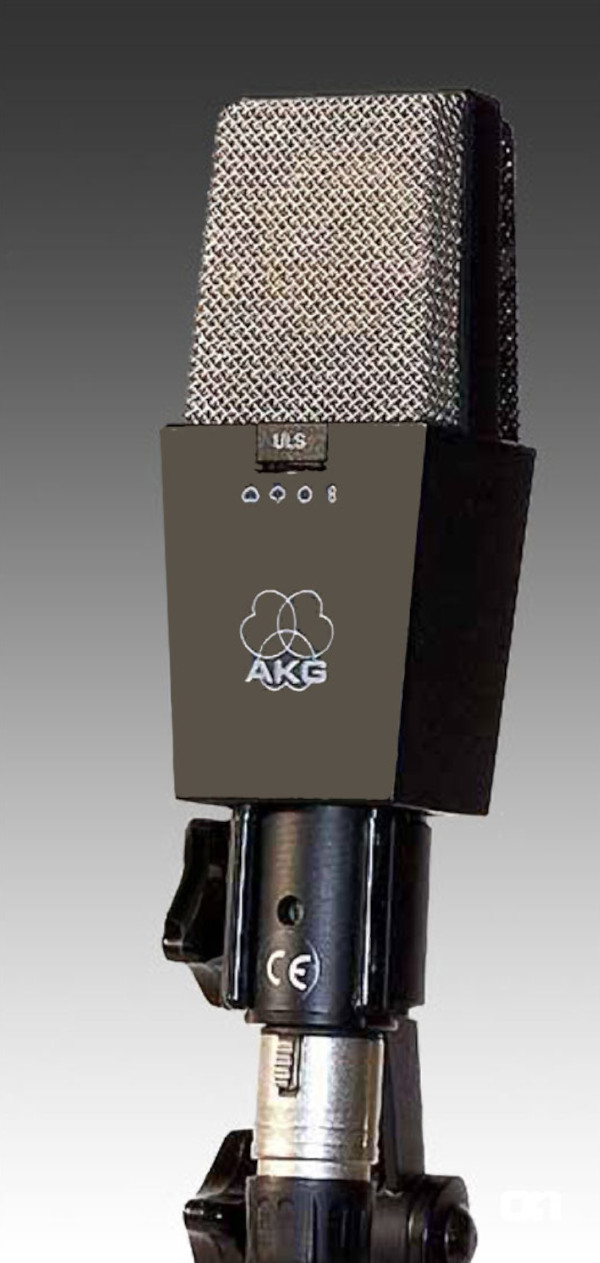
AKG C414:
- The AKG C414, first introduced in the 1970s, is a versatile large-diaphragm condenser microphone. It has undergone various iterations and is highly regarded for its flexibility in recording different sound sources.
- The C414's ability to handle a wide range of recording scenarios has made it a staple in professional recording studios.
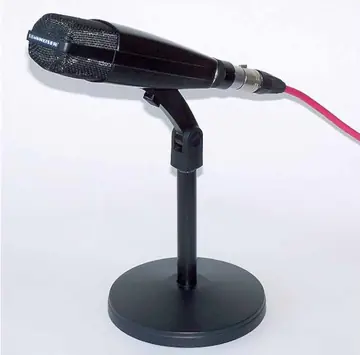
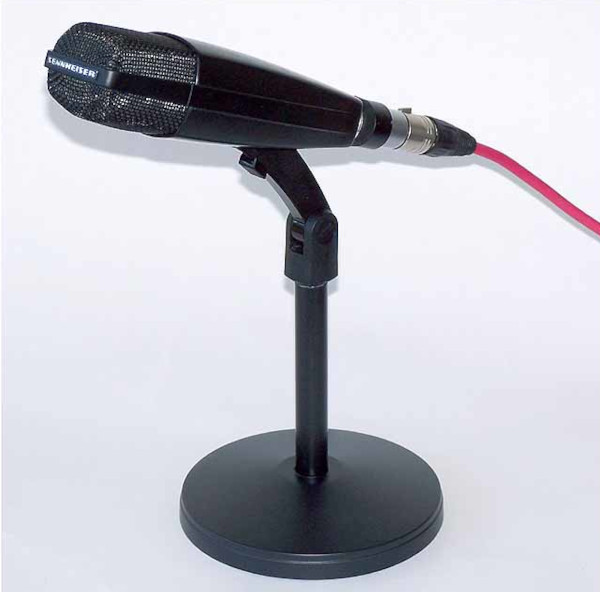
Sennheiser MD 421:
- The Sennheiser MD 421, introduced in the 1960s, is a dynamic microphone renowned for its wide frequency response and durability.
- It's commonly used for recording vocals, drums, and guitars, and its distinctive appearance has made it recognizable in various studio setups.
RCA 44-BX:
- The RCA 44-BX, introduced in the 1930s, is another iconic ribbon microphone. Its vintage appearance and warm sound made it a popular choice for capturing vocals and instruments.
- The 44-BX is associated with classic recordings and is often sought after for its unique sonic character. RCA 44-B
These microphones have transcended their functional roles and become symbols of the eras they were introduced in.
They've shaped the way we perceive sound in various contexts and have left a lasting impact on the world of audio recording, broadcasting, and communication.
How to Buy The Best Microphones for Every Budget
Whether you're a beginner, an enthusiast, or a professional, finding the right microphone for your needs is essential for capturing clear and high-quality audio.
Here's a comprehensive guide to help choose the best microphones across different budget ranges:
Low Budget:
USB Condenser Microphones
Ideal for: Beginners, podcasters, YouTubers, casual recording.
USB microphones are plug-and-play devices that connect directly to your computer. They offer convenience and decent audio quality for entry-level needs.
Recommended models: Audio-Technica ATR2500x-USB, Blue Yeti, Samson C01U Pro.
Top-tier low budget mics
Mid Budget:
Dynamic Microphones
Ideal for: Live performances, vocals, podcasting, studio recording.
Dynamic microphones offer durability and can handle high sound pressure levels.
Recommended models: Shure SM7B, Electro-Voice RE20, AKG D5.
Condenser Microphones
Ideal for: Studio recording, vocals, acoustic instruments.
Condenser microphones provide better sensitivity and capture fine details.
Recommended models: Audio-Technica AT2020, Rode NT1-A, AKG P220.Best Vocal Mics for under $500
Best Mic under $500
Enthusiast Budget:
Large-Diaphragm Condenser Microphones
Ideal for: Home studios, vocals, acoustic instruments, high-quality recordings.
Large-diaphragm condenser mics offer excellent sensitivity and warmth.
Recommended models: AKG C214, Neumann TLM 102, Audio-Technica AT4040.
Pro Budget:
Studio-Grade Condenser Microphones
Ideal for: Professional studios, broadcast, critical recordings.
These microphones offer top-tier audio quality and are used in professional settings.
Recommended models: Neumann U87, AKG C414 XLII, Shure KSM32.
Specialty Microphones
Ideal for: Specific applications like instrument miking, field recording.
Depending on your needs, you might consider ribbon microphones (e.g., Royer R-121) for vintage character or shotgun microphones (e.g., Sennheiser MKH 416) for directional recording.
Wireless Microphone Systems
Ideal for: Performers, presenters, public speakers.
For mobility and convenience, consider wireless systems from reputable brands like Shure, Sennheiser, and Audio-Technica.
Additional Tips:
Research: Look for reviews, user feedback, and professional recommendations before making a purchase.
Accessories: Don't forget to budget for essentials like microphone stands, shock mounts, pop filters, and cables.
Try Before Buying: If possible, test the microphone before purchasing to ensure it suits your voice and recording environment.
Room Acoustics: Consider your recording space's acoustics and invest in sound treatment if needed.
Longevity: A good microphone can last for years, so think of it as an investment.
While a higher budget often correlates with better quality, it's crucial to select a microphone that suits the specific needs and intended usage. It's crucial to prioritize the microphone's compatibility with the recording setup and the desired sound to capture.
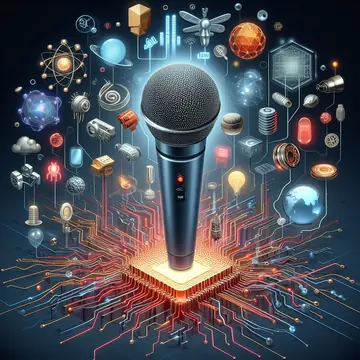
The future of microphones holds several exciting possibilities driven by advances in technology and changing trends in communication, entertainment, and other industries.
Here are some potential directions in which microphone technology could evolve:
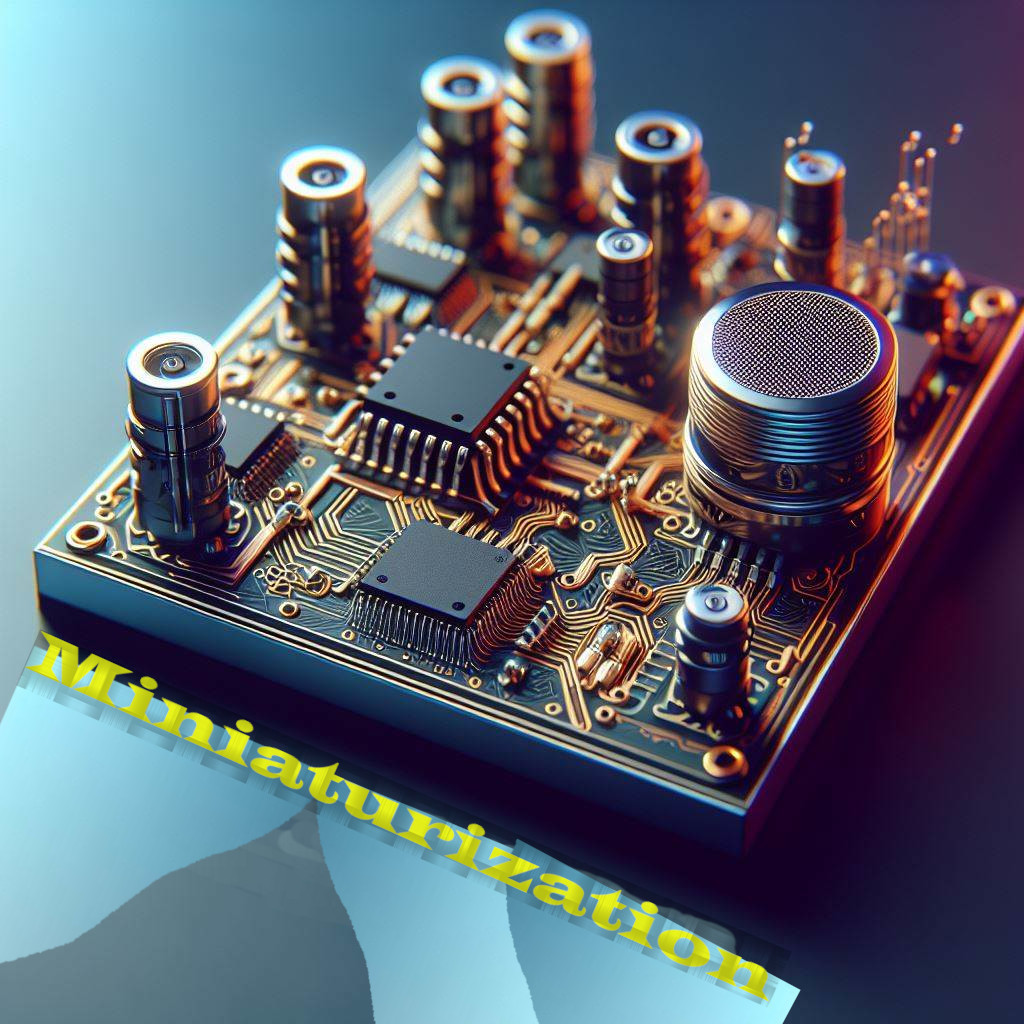
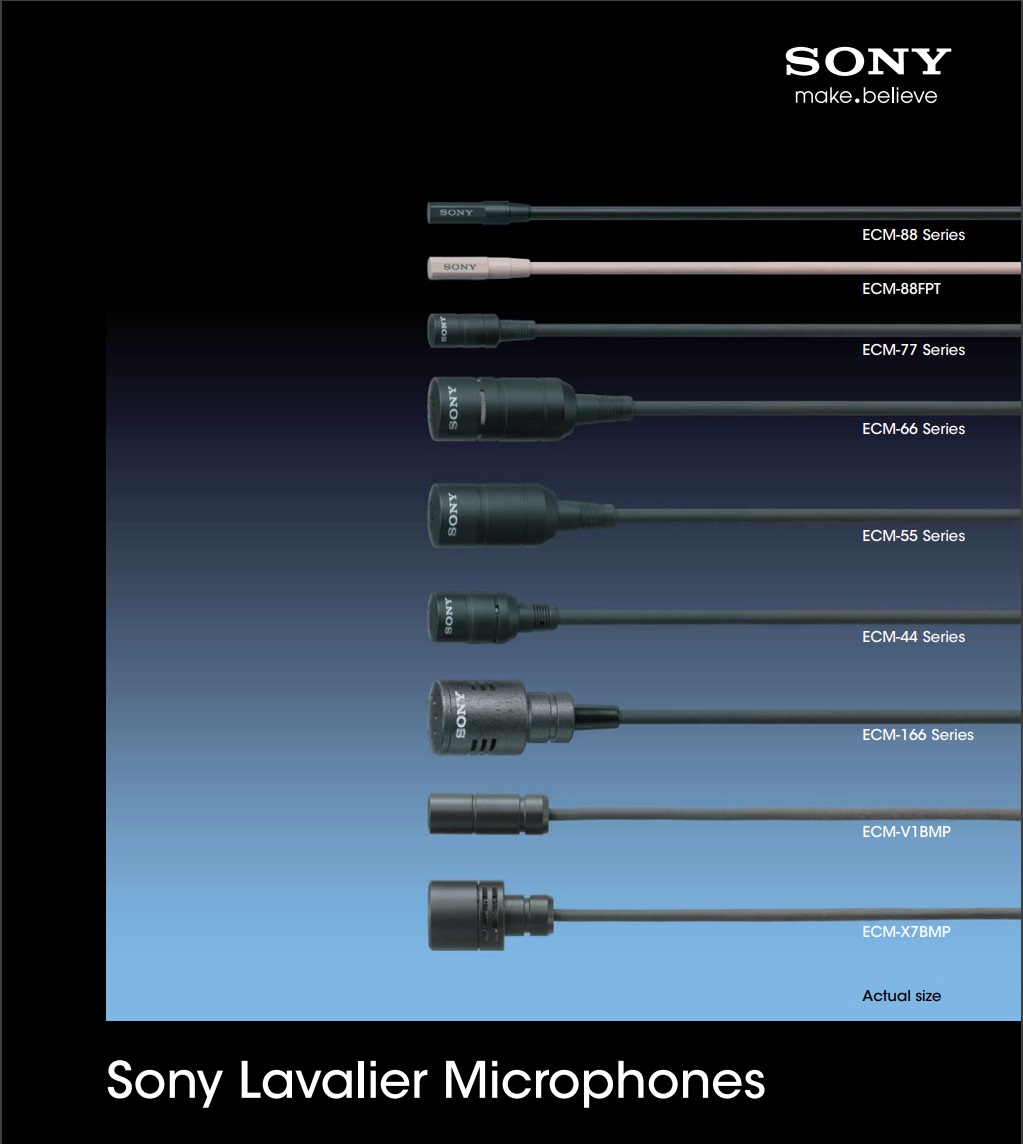
Miniaturization and Wearable Microphones:
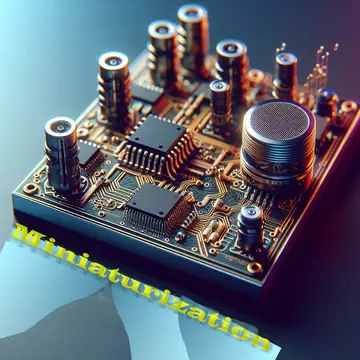
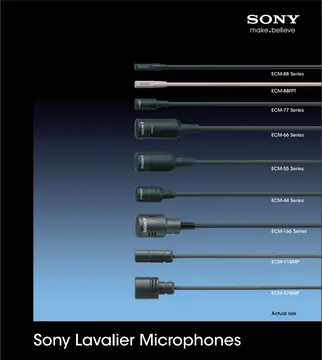
As technology continues to shrink, we can expect even smaller and more discreet microphones. Wearable microphones could become common for personal communication, fitness tracking, and augmented reality applications.
Smart and Context-Aware Microphones:
Microphones embedded in devices like smartphones, smart glasses, and headphones could become more intelligent. They might adapt to different environments and noise levels, enhancing voice clarity during conversations or providing better audio for voice assistants.
Improved Noise Reduction and Beamforming:
Advanced noise reduction algorithms and beamforming technology could enable microphones to focus on specific sound sources while minimizing background noise. This would be especially useful for conference calls, virtual meetings, and broadcasting.
Multi-Functional Microphones:
Future microphones might integrate multiple sensors beyond audio, such as temperature, humidity, and even gesture recognition. This could have applications in IoT devices and smart homes.
Enhanced Audio Quality and Immersive Experiences:
Microphones could contribute to more immersive audio experiences, such as 3D sound and binaural recording, creating a sense of presence and depth for listeners.
Advanced Noise Cancellation and Filtering:
Microphones with AI-powered noise cancellation could effectively filter out unwanted sounds, making them valuable for recording in noisy environments or for individuals with hearing impairments.
Sustainable and Eco-Friendly Designs:
Future microphone designs might incorporate more sustainable materials and manufacturing processes, aligning with global efforts toward environmental conservation.
Integration with AI and Voice Assistants:
Microphones could play a pivotal role in the integration of artificial intelligence and voice-controlled technologies, becoming the primary interface for smart homes, autonomous vehicles, and more.
Holographic Sound Capture:
Advanced microphone arrays could capture sound with higher accuracy, enabling the creation of holographic audio, where the spatial location of sound sources is preserved.
Health and Medical Applications:
Microphones could be used in healthcare settings for monitoring heartbeats, breath sounds, and other physiological markers, enabling remote patient monitoring and diagnostics.
Quantum Microphone Sensing:
Quantum technology could revolutionize microphone sensing, enabling ultra-sensitive measurements and breakthroughs in fields like quantum computing and fundamental physics.
The future of microphones is likely to be shaped by a convergence of various technologies, including AI, MEMS (Micro-Electro-Mechanical Systems), nanotechnology, and more.
As the demands for clear communication and high-quality audio continue to evolve, so will the microphones that support these needs, leading to innovative applications we might not even anticipate today.
[Free Research Preview. ChatGPT August 3 Version 2023]
|