909-276-7214

Tablets

Beginnings and Early Concepts:

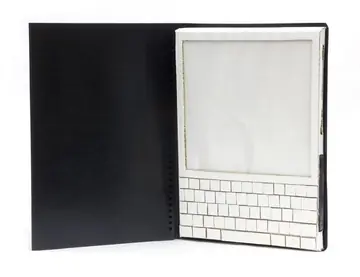
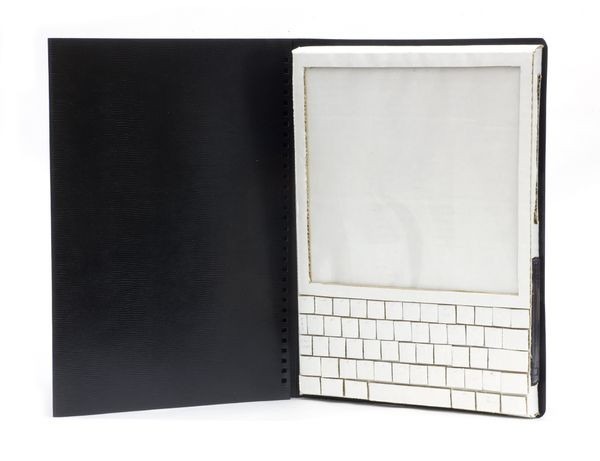
Sci-Fi device The concept computer tablet dates back to the mid-20th century, with early ideas of electronic devices resembling tablets emerging in science fiction. However, the practical development began in the 1960s. Alan Kay's Dynabook One notable example is the "Dynabook" concept proposed by computer scientist Alan Kay in 1968, envisioning a portable device similar to today's tablets. Yet, due to technological limitations, these early ideas remained largely conceptual.

Early Attempts

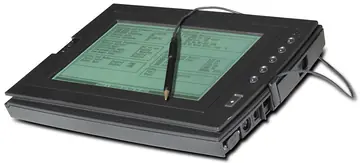
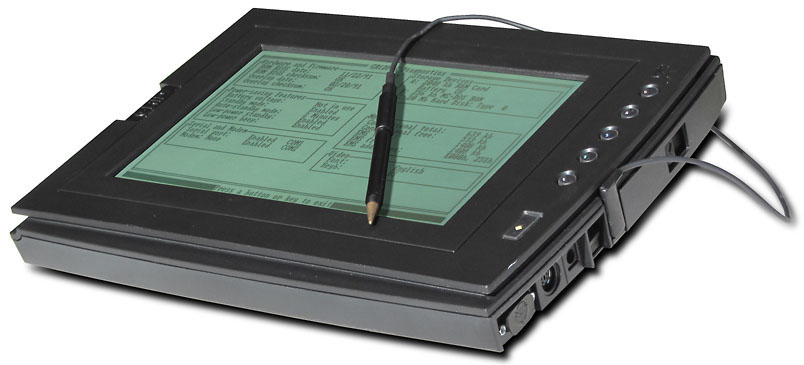
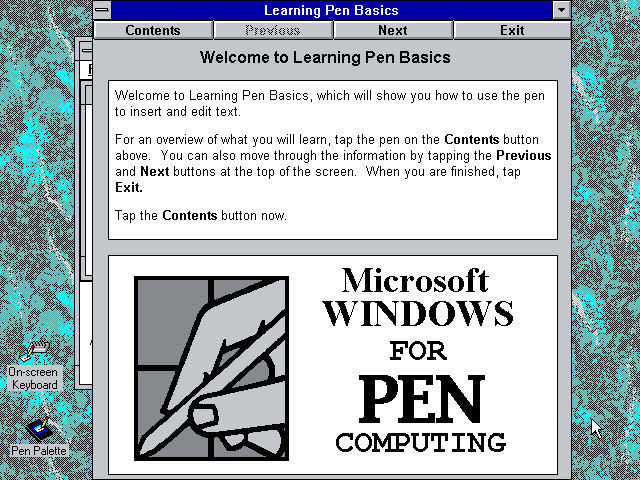
GRiDPad The late 1980s and early 1990s saw the introduction of early tablet-like devices, such as the GRiDPad in 1989, which was used primarily in specialized industries. Windows Pen Microsoft also introduced the Windows for Pen Computing platform in the early 1990s, which aimed to bring handwriting recognition and touch-based interaction to Windows-based devices. However, these early attempts were hampered by limited hardware capabilities, bulky designs, and underdeveloped software.

Late 2000s: Rise of Modern Tablets

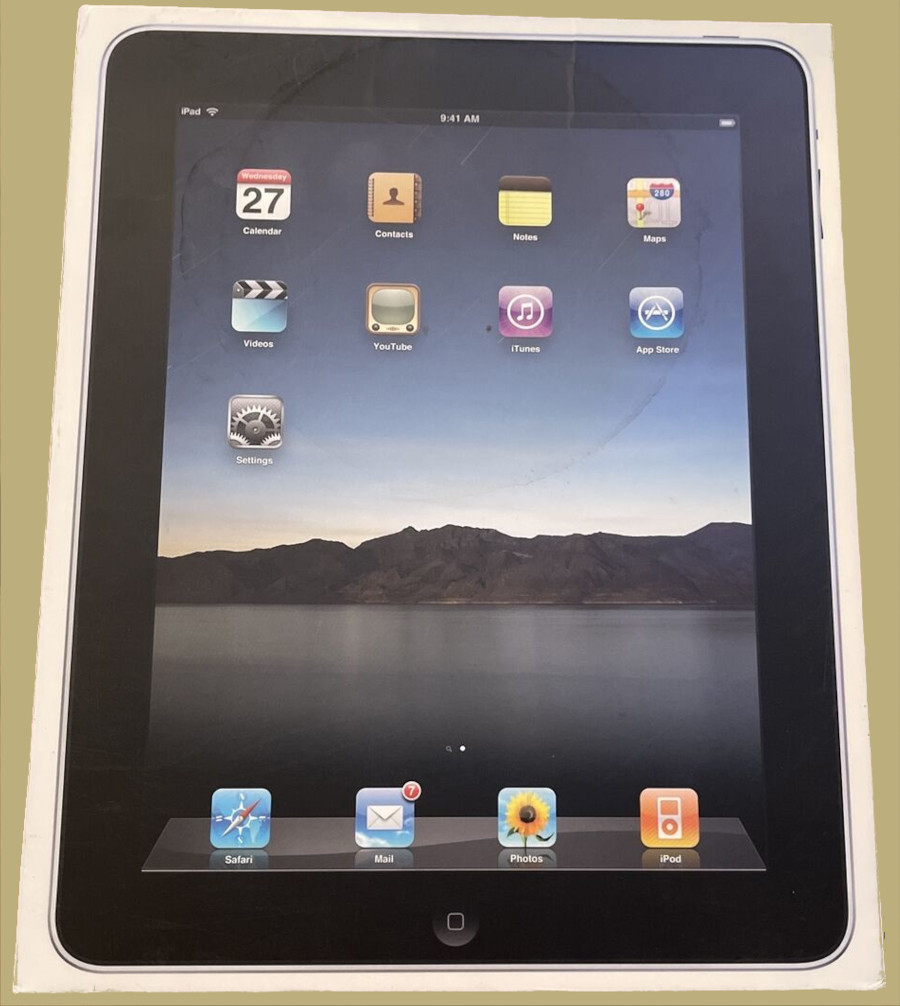
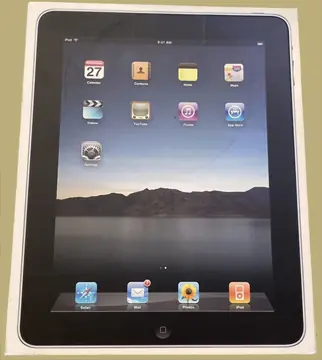
The breakthrough for modern tablets came with the launch of the Apple iPad in April 2010. image The iPad, featuring a sleek design, responsive touchscreen, and a robust app ecosystem, revolutionized the concept of tablets.It quickly became a commercial success, inspiring other manufacturers to develop their own tablet devices. This marked a turning point in the tablet's history, leading to the popularization of touch-based computing.
Evolution and Competitors

image Following the success of the iPad, various manufacturers introduced their own tablets, running operating systems like Android and Windows.

Some notable milestones include:

2011:
Google released the first version of Android specifically optimized for tablets, starting with Android 3.0 (Honeycomb)
2012:
Microsoft introduced the Surface line of tablets, which later evolved into 2-in-1 devices with attachable keyboards.
2015:
Apple introduced the iPad Pro, targeting professional users with advanced hardware and accessories like the Apple Pencil and Smart Keyboard.
2016:
Microsoft Surface Pro 4 and Surface Book showcased the potential of hybrid devices, blurring the line between tablets and laptops.
2019:
Samsung's Galaxy Tab S6 offered a high-end Android tablet experience with features like an integrated stylus and keyboard cover.

Setbacks and Challenges

Throughout the tablet's history, there have been some notable setbacks and challenges:

Windows RT

Microsoft's attempt to create a tablet-specific version of Windows, called Windows RT, failed to gain traction due to its limited app compatibility and confusion among consumers.

Market Saturation

Over time, the tablet market experienced saturation as consumers held onto their devices for longer periods and smartphones grew in size and functionality, encroaching on the tablet's territory.

Lack of Innovation

As the tablet market matured, manufacturers struggled to introduce significant innovations that would drive further adoption.

Productivity Focus

Tablets are positioning themselves as productivity tools, with increased support for multitasking and accessories like styluses and detachable keyboards.

Foldable and Dual-Screen Tablets

Manufacturers are experimenting with foldable and dual-screen tablet designs, aiming to provide more screen real estate while maintaining portability.

Enhanced Software and Services

Operating systems are evolving to better accommodate larger touchscreens, and cloud services are enabling seamless data synchronization across devices.

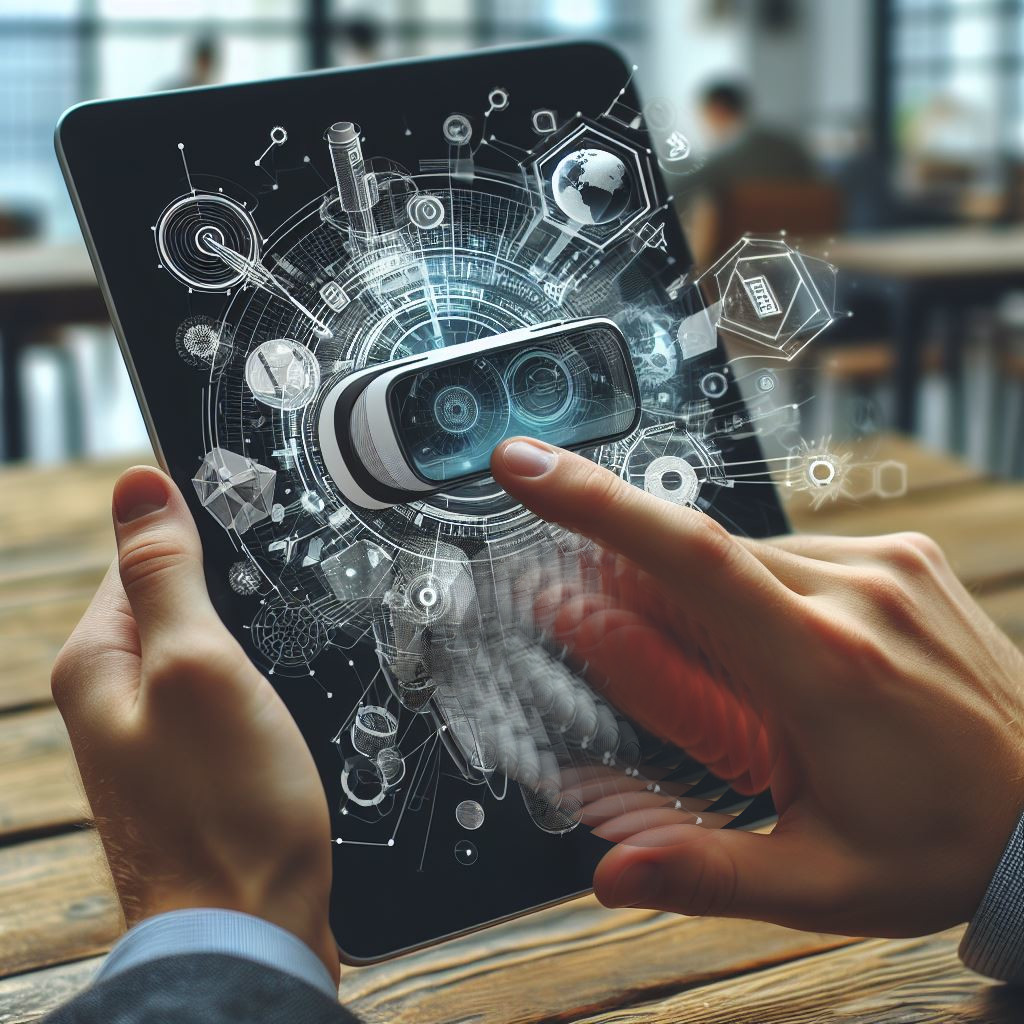
AR and VR Integration

Tablets are increasingly being used as platforms for augmented reality (AR) and virtual reality (VR) experiences, blurring the lines between physical and digital realms.

Tablets that have left a significant impact.

🍎 Apple IPad Series

Apple iPad (2010) : The original iPad revolutionized the tablet market with its sleek design, responsive touchscreen, and extensive app ecosystem.

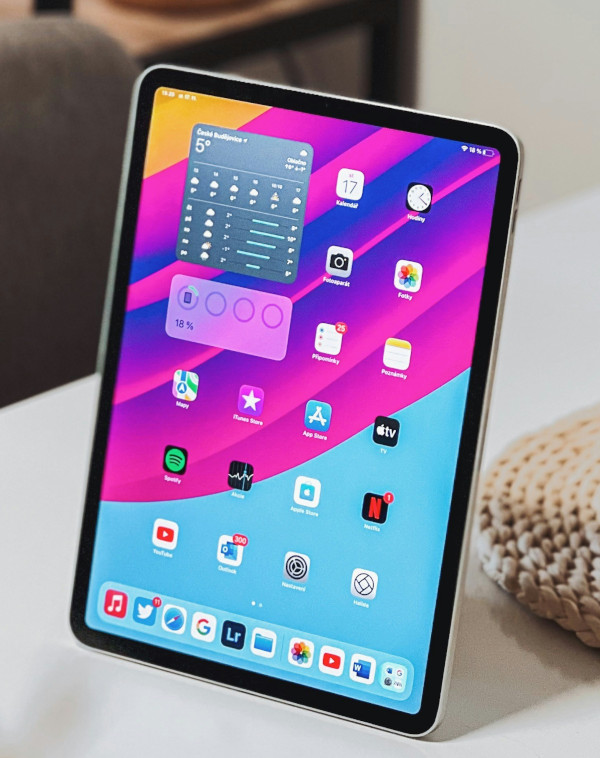
iPad Pro (2015): The iPad Pro targeted professionals with its powerful hardware, support for the Apple Pencil, and Smart Keyboard.

Ipad Series
Apple Ipad.

iPad Air (2020): Featuring a balance of performance and portability, the iPad Air showcased the latest technologies and design trends.

iPad mini (2012): The compact and lightweight iPad mini offered a more portable iPad experience without compromising on performance.

📌 Notable Mentions

Lenovo Yoga Tablet 2 Pro (2014): Yoga Tablet 2 ProWith its unique cylindrical battery and built-in projector, this tablet aimed for multimedia excellence and stood out from the crowd.

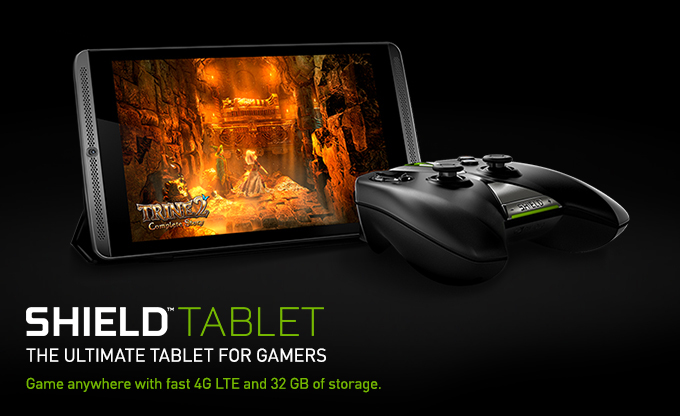
Nvidia SHIELD Tablet (2014): SHIELD TabletAimed at gamers, the SHIELD Tablet featured powerful hardware and game streaming capabilities, making it a hit among mobile gaming enthusiasts.

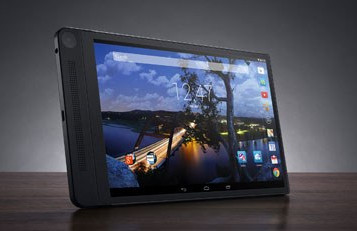
Dell Venue 8 7000 (2014): Venue 8 7000Known for its innovative design and Intel RealSense depth-sensing camera, this tablet stood out with unique features and capabilities.

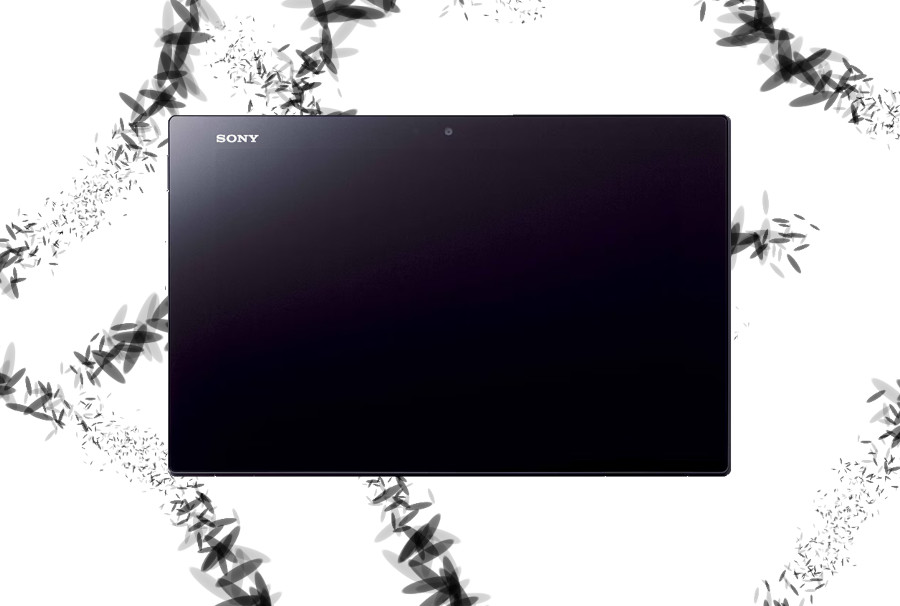
Sony Xperia Tablet Z (2013): Xperia Tablet ZShowcasing Sony's commitment to multimedia features, the Xperia Tablet Z impressed with its slim and waterproof design.

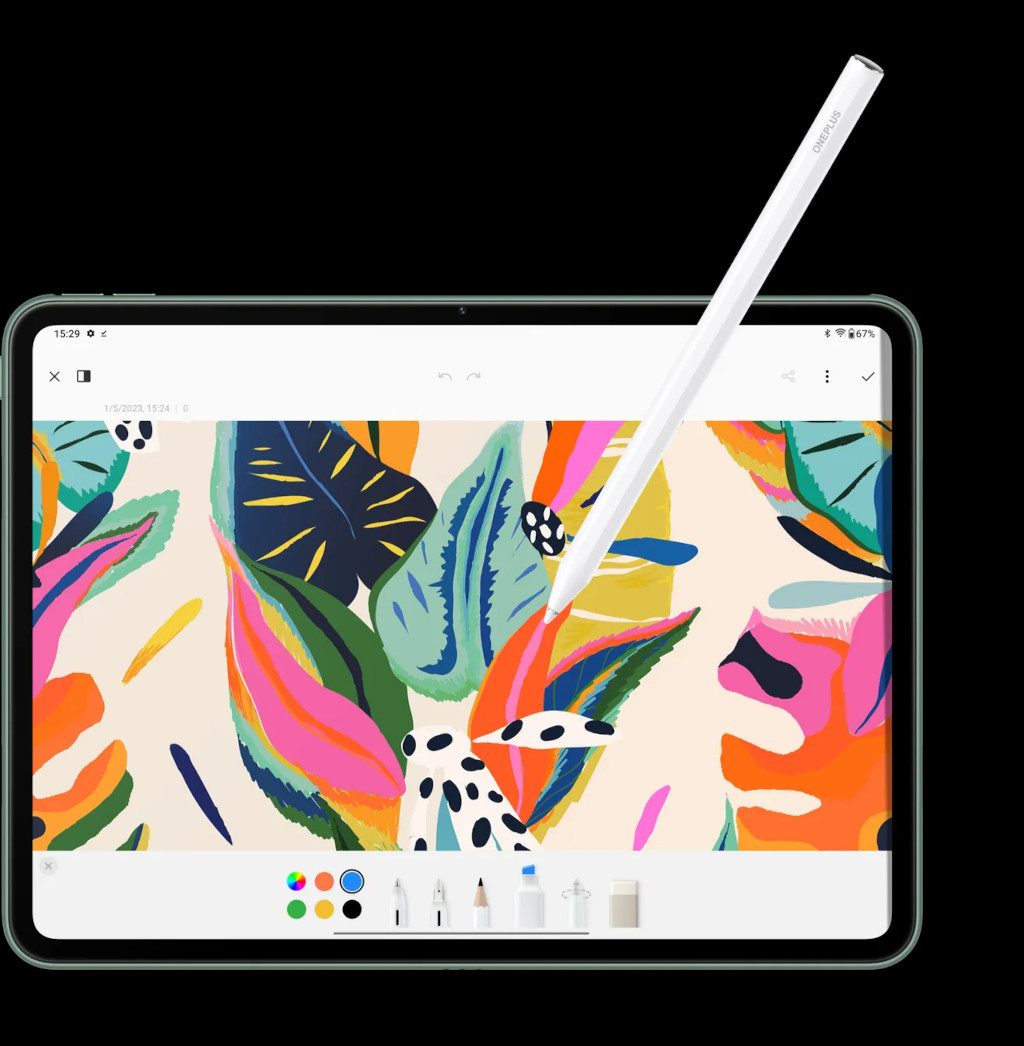
OnePlus Pad (2023): OnePlus PadOnePlus' premium Android tablet featuring a large 11.6-inch high-refresh-rate display, powerful Snapdragon 8 Gen 1 chipset, impressive battery life, and quad speakers with Dolby Atmos support.

🖥️ Microsoft Surface Series

Surface Pro (2013): The Surface Pro kickstarted the 2-in-1 trend, offering a hybrid device that could function as both a tablet and a laptop with an attachable keyboard cover.

Surface Go (2018): A more compact and affordable addition to the Surface lineup, offering versatility and portability.

Surface Series
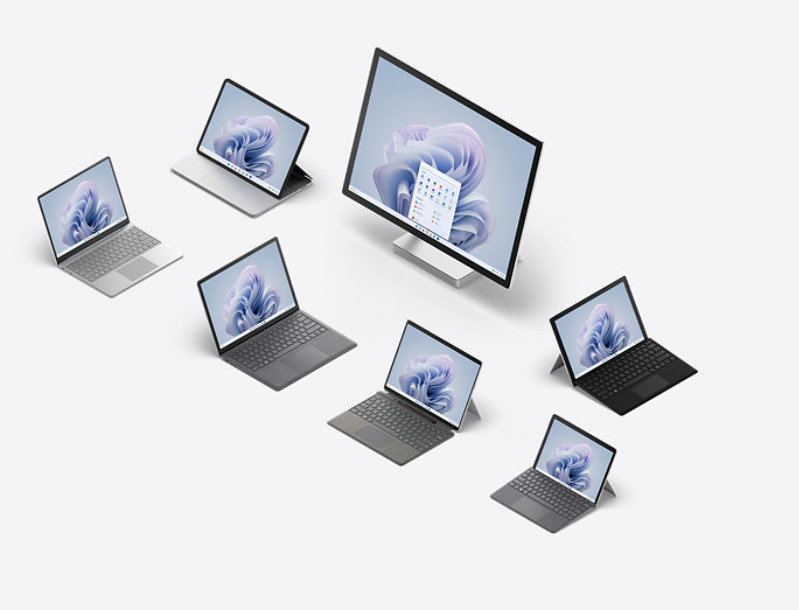
Microsoft Surface Series

Surface Duo (2020): Although not a traditional tablet, the Surface Duo brought attention to dual-screen devices, demonstrating new form factors.

Surface Studio 2+ (2023): A powerful all-in-one desktop aimed at creative professionals, featuring a large 28-inch PixelSense display and support for Surface Pen and Surface Dial.

📱 Samsung Galaxy Tab Series

Galaxy Tab S7 (2020): Known for its high-quality AMOLED display, S Pen support, and powerful hardware, the Galaxy Tab S7 targeted productivity and creativity.

Galaxy Tab A Series: This series offered budget-friendly options for consumers seeking basic tablet functionality.

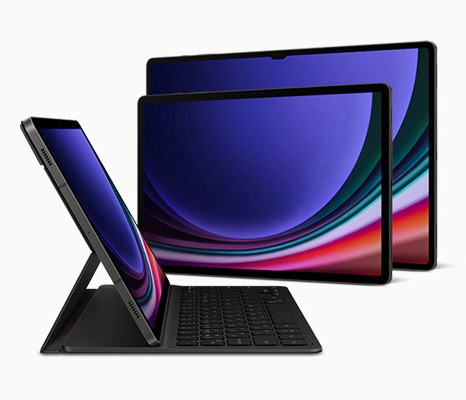
Galaxy Tab Series
Samsung Galaxy Tab S9 Series
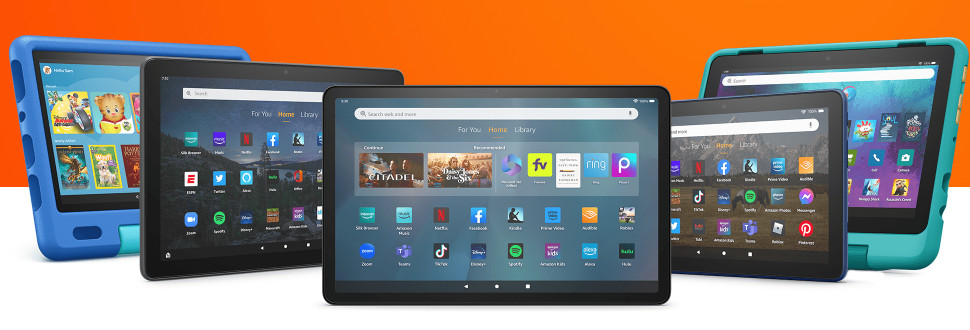
📚 Amazon Fire Tablet

Amazon Kindle Fire (2011): While not a traditional tablet, the Kindle Fire introduced affordable and accessible media consumption devices, popularizing e-books and digital content.

Amazon Fire HD 8 (2016): A budget-friendly 8-inch tablet that offered a decent multimedia experience and access to Amazon's ecosystem of content and services.

Amazon Fire Tablet lineup
Amazon Fire Tablet Lineup.

Amazon Fire HD 10 (2017): With a larger 10.1-inch display, the Fire HD 10 provided an enhanced multimedia experience while maintaining affordability and access to Amazon's services.

Amazon Fire 7 (2019): The Fire 7 offered an ultra-affordable tablet option for basic media consumption, with a 7-inch display and access to Amazon's content ecosystem.

🤖 Google Tablets

Nexus 7 (2012): One of the earliest successful Android tablets, the Nexus 7 was designed in collaboration with Asus. It offered a compact 7-inch display and was among the first devices to showcase the tablet-optimized Android 4.1 Jelly Bean.

Pixel C (2015): Google's first tablet designed entirely in-house, the Pixel C ran Android and aimed to provide a productivity-focused experience with its detachable keyboard and integrated stylus support.

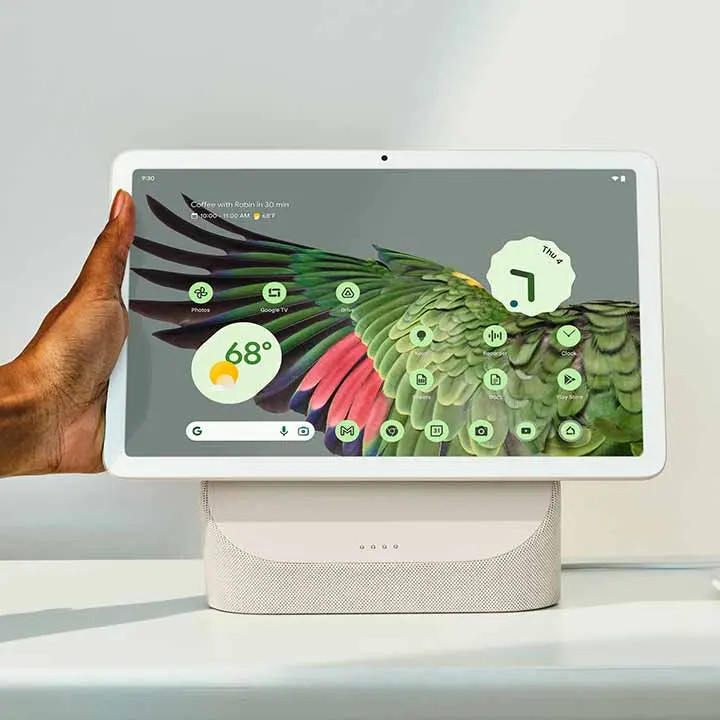
Google Pixel Tablet
Google Pixel Tablet.

Pixel Slate (2018): Google's attempt at a premium Chrome OS tablet, the Pixel Slate aimed to provide a laptop-like experience in tablet form.

Pixel Tablet (2023) The Pixel Tablet is Google's latest offering, featuring the powerful Tensor G2 chip. It boasts advanced AI capabilities, smooth streaming, high-quality video calls, accurate voice typing, and robust multitasking with split-screen support.

Are you the market for a new Tablet device? Consider the following:

Entry-Level:

Purpose and Budget: Define the primary purpose of the tablet (e.g., media consumption, browsing, basic productivity) and set a budget. Entry-level tablets are generally more affordable and suitable for casual use.

Operating System: Consider whether you're more comfortable with iOS (Apple), Android (Google), or Windows (Microsoft). Each has its own ecosystem, interface, and app availability.

Screen Size and Portability: Opt for a screen size that suits your needs. Smaller tablets are more portable, while larger ones are better for multitasking and media consumption.

Performance: Look for a tablet with decent processing power and RAM to ensure smooth performance for your intended tasks.

Battery Life: Consider a tablet with good battery life to avoid frequent recharging, especially if you plan to use it on the go.

App Ecosystem: Research the availability of apps you might use. Check app stores for your preferred platform and ensure essential apps are available.

Build Quality: Look for tablets with durable build quality and comfortable ergonomics.

Mid-Tier:

Performance: Look for a tablet with a more powerful processor and sufficient RAM for smoother multitasking and performance.

Display Quality: Consider a tablet with a high-resolution display for better visuals, especially if you plan to watch movies or read extensively.

Storage: Opt for a tablet with adequate storage space. If the tablet lacks expandable storage, consider a higher storage variant.

Stylus Support: If you're interested in note-taking or drawing, choose a tablet with stylus support like the Apple Pencil, Samsung S Pen, or Microsoft Surface Pen.

Accessories: Check if there are compatible accessories like keyboard covers that can enhance productivity.

Camera Quality: If you're into video calls or photography, consider a tablet with better front and rear cameras.

Enthusiast:

Flagship Models: Consider flagship models that offer the latest technology, including powerful processors, high-refresh-rate displays, and cutting-edge features.

Multitasking: Look for tablets with advanced multitasking features like split-screen mode, multitasking gestures, and support for multiple apps.

Connectivity: If you require internet connectivity on the go, consider tablets with cellular capabilities (LTE/5G) or models that support external accessories like mobile hot-spots.

Specialized Use Cases: Research tablets designed for specific use cases, such as gaming tablets with dedicated GPUs or professional tablets with specialized software and hardware.

Operating System Expertise: Deepen your understanding of the operating systems you're interested in to leverage advanced features and customization options.

Ecosystem Integration: If you're already invested in a particular ecosystem (Apple, Google, Microsoft), choose a tablet that integrates seamlessly with your existing devices and services.

The Tablet industry has continued to offer a range of options catering to different user needs. There is a trend towards more powerful tablets with productivity features, such as stylus support, detachable keyboards, and desktop-like multitasking. Tablets are increasingly being used in education, creative work, and entertainment.

In recent years, the industry has also sought new technologies, such as augmented reality (AR) and virtual reality (VR), to further enhance the tablet experience.

AR VR Tablets       Future of Tablets       Future of tablets       Tablets

The industry is also exploring new form factors, including foldable and dual-screen tablets, which aimed to provide enhanced productivity and versatility.

For the most up-to-date information on the state of the tablet industry, I recommend checking recent reviews, tech news, and manufacturer announcements.

Tablet Market The tablet market in the United States is the largest globally, accounting for around one-third of tablet unit shipments annually¹. While tablet sales have fluctuated worldwide, the U.S. market has proven resilient with stable tablet device sales and even growing shipments at times¹. More than 222 million Americans are forecast to use a tablet in 2023¹. However, looking ahead, the U.S. tablet market is projected to fall in line with the global trend and shipments are projected to decrease in upcoming years¹.

Tablet Market As for the future of computer tablets, there are many opinions and predictions. Some believe that Android tablets may be the future of computing⁵. Google is trying to bring its technology back into the limelight, starting with software like Entertainment Space and the Android 12L OS⁵. Android tablet usage is steadily growing and Android led the way with a 44.91 percent market share in 2020, mainly thanks to Samsung, which also grew in value by 18.2 percent⁵. The tablet market as a whole is expected to reach $50.31 billion by 2027⁵.

Tablet Market Others believe that the future of tablets is market segmentation, with tablets being built for specific purposes such as for kids, for consuming content and media, for replacing PCs, and for hardcore gamers⁷. The market for tablets is still growing in terms of annual sales, just not as much as it did in 2011 and 2012⁷. The tablet remains an important product and it will continue to evolve⁷.

Conversation with Copilot, 8/23/2023

[Free Research Preview. ChatGPT August 3 Version 2023]